

Nobody is going to say it out loud. But wrestling entrance videos have gotten boring.
Not bad. Not unwatchable. Just... interchangeable.
Big name. A couple of graphics. Some motion effect. Done. Next.
And here's the frustrating part, the tools to make something great have never been better. The screens are bigger. The production is higher. The software is more accessible than ever.
But somewhere along the way, we traded storytelling for branding.
And most wrestlers don't even realize it happened.
I've been thinking about this for a while. Not just as a fan, but as an Art Director who has designed entrance packages, and as a wrestler who walks that ramp himself. The titantron isn't just a screen. It's the first chapter of your match. And right now, too many wrestlers are opening their story with a blank page.
1. Where It All Started: The Vignette Era
Before big screens. Before motion graphics. Before any of it, there was the vignette.
A wrestler, talking straight to camera. Displayed on a small dual screen for the TV audience at home.
It sounds simple because it was. And that was entirely the point.
When a new character was arriving, television audiences had no context. They didn't know who was walking out, what they stood for, or why they should care. The vignette solved that in thirty seconds.
Think about Mr. Perfect's early WWF vignettes. No ring. No crowd. Just Curt Hennig hitting a baseball out of the park, sinking a half-court shot, throwing a perfect spiral. One character delivered in one sentence: this man is better than you at everything.
That's a complete identity built before he ever touched the ramp.
Fast. Clear. Intentional. That was the whole job.
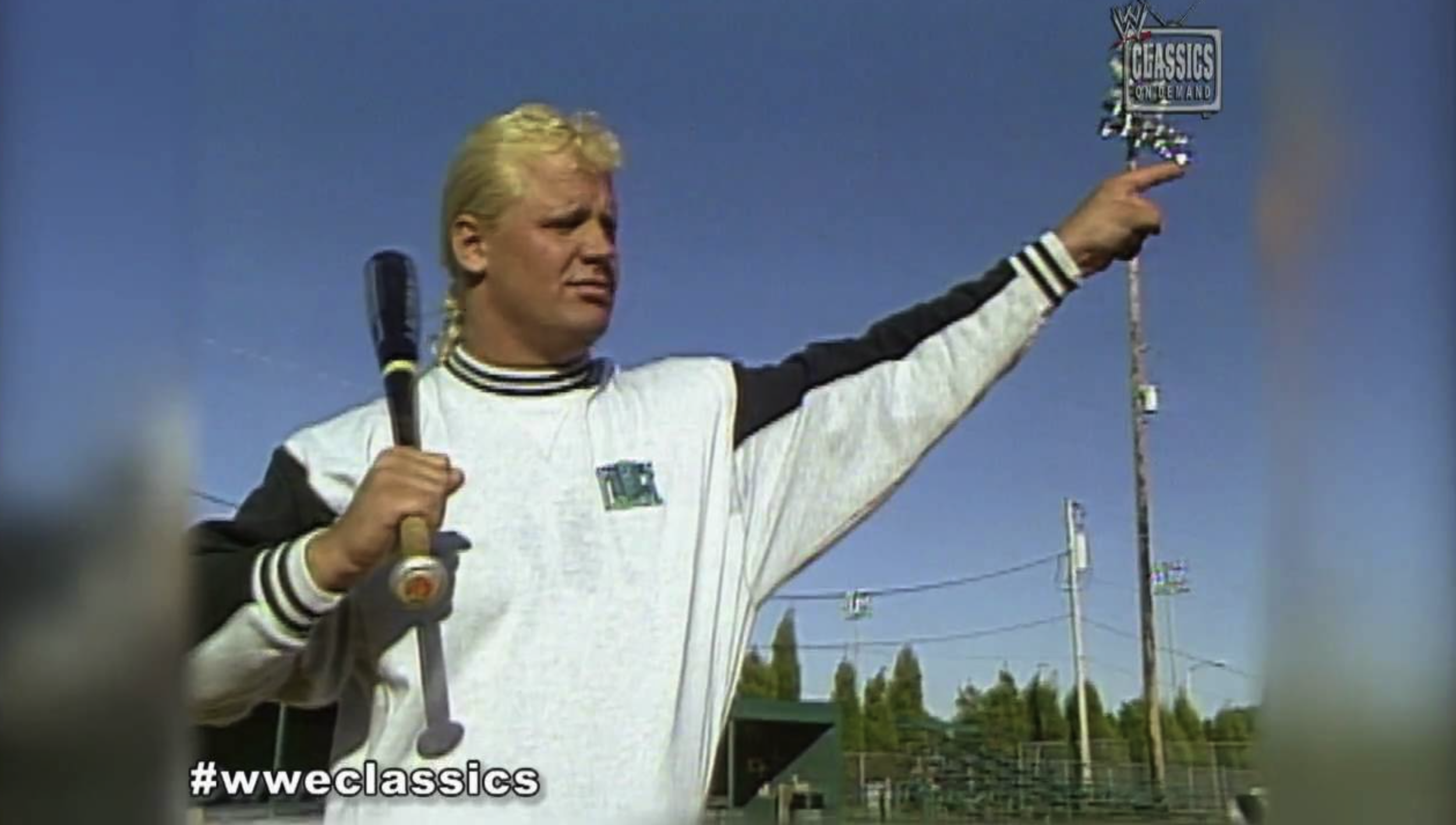
"Mr. Perfect" Curt Hennig impresses baseball Hall of Famer Wade Boggs with the 'perfect' swing.
2. The Big Screens Arrive: Personality Shots and the First Real Titantrons
When venues started installing large screens, everything changed.
Now you had real estate. And for the first time, the live crowd (not just the TV audience) could see who was coming before they appeared.
The format evolved quickly. Name on screen. Highlight clips. Personality shots. Roster-wide promo shoots, individual enough to show character, polished enough to look professional.
And here's what that era got right: entrances became personal.
The footage wasn't generic. It was chosen. An aggressive heel got aggressive footage. A high-flyer got aerial highlights. A cocky character got slow-motion swagger shots that made you want to hate him before he even opened his mouth.
The live crowd didn't just know who was coming; they felt it.
That's the difference. And it matters more than most people give it credit for.
3. The Golden Era: Motion Graphics and Full Identity Systems
Motion graphics entered the picture. Suddenly you could animate the name, layer catchphrases over footage, sync text to the music, time a reveal to a beat drop.
If your song had a hook the crowd already knew, they sang it. If you had a signature move, they saw it coming and lost their minds when it happened anyway. Your whole identity, personality, story, character on full display. For the live crowd. For the cameras. For everyone watching at home.
This is the era most wrestling fans think of when they think of great entrance videos. And for good reason.
The best ones from this period worked as complete packages, music, visuals, and crowd participation locked together as a single system. Each one unmistakably that person. Each one impossible to mistake for anyone else on the roster.
That was the standard. And for a while, the industry was meeting it.
4. The Branding Era: When Design Replaced Storytelling
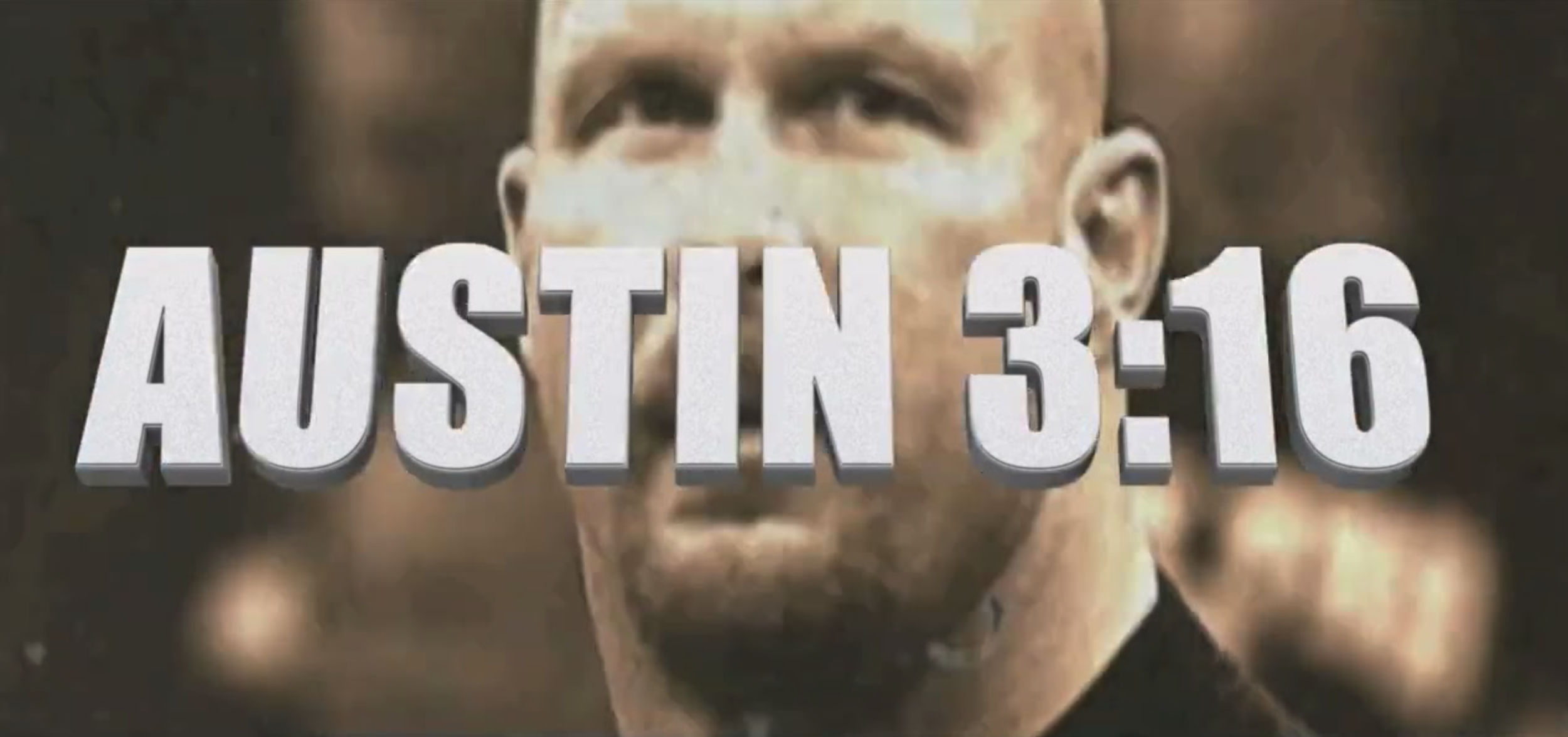
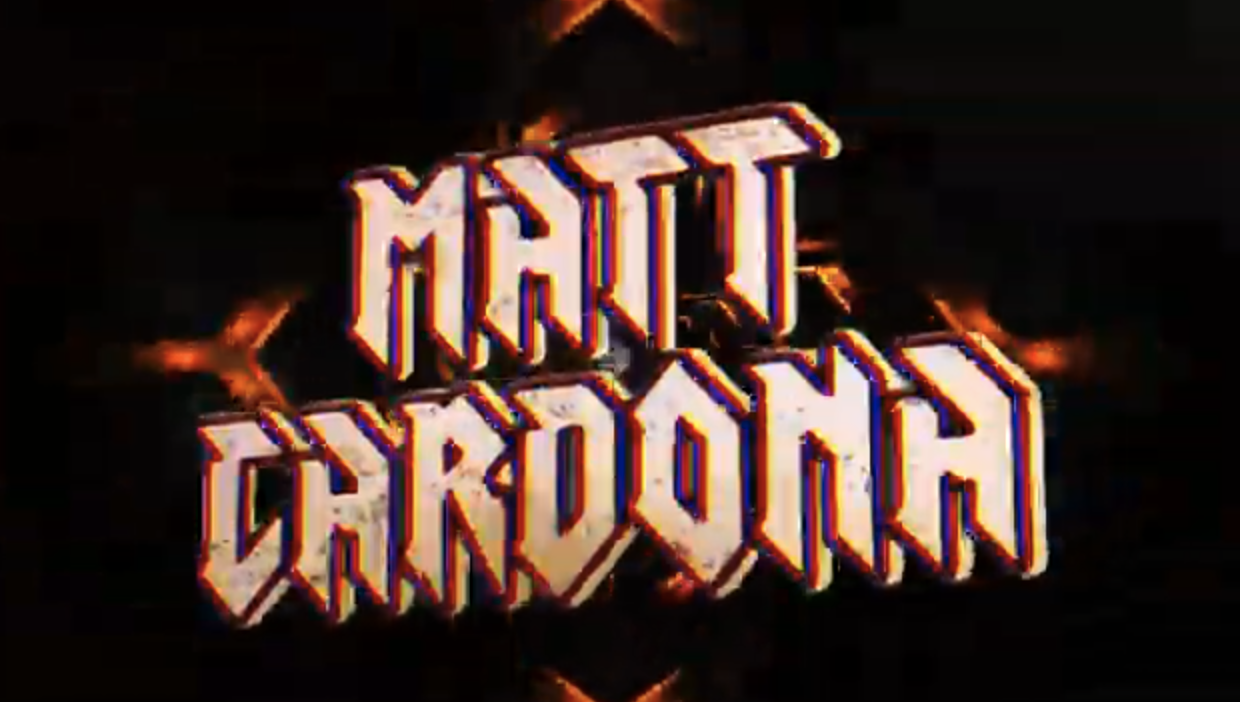
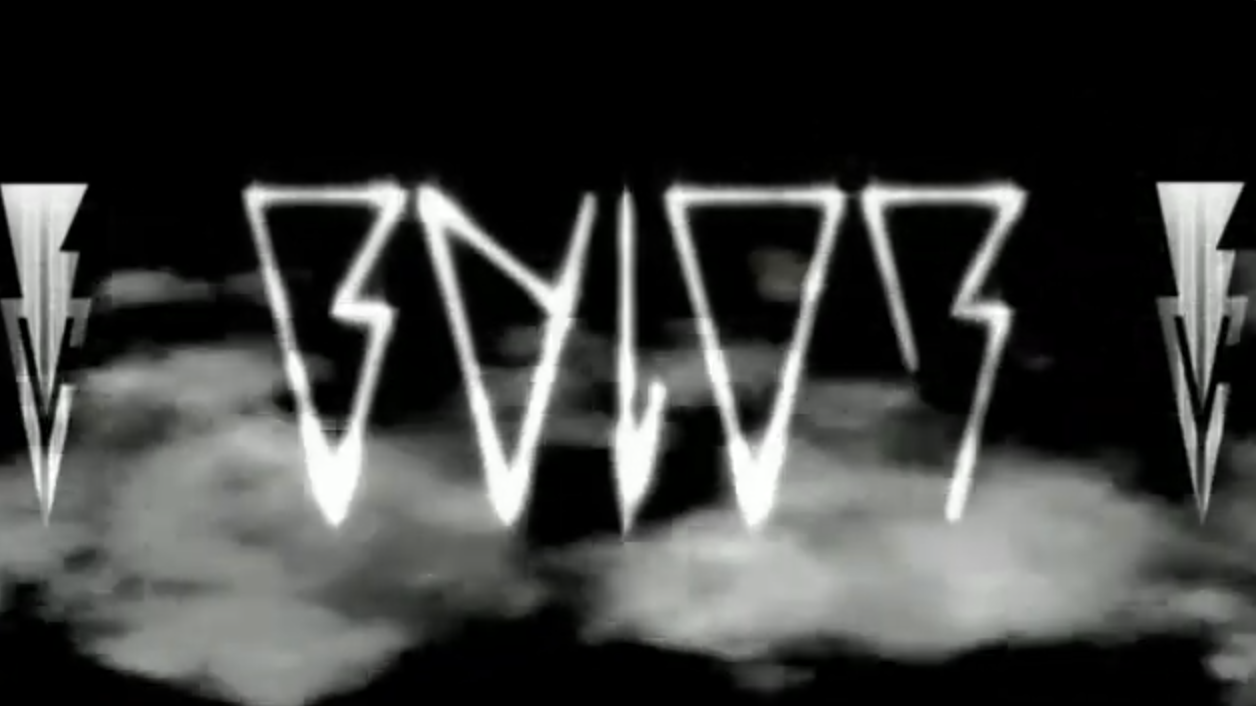
The Branding Era. Clean motion graphics. Strong typography. Name on a loop. Consistent visual language across the whole roster.
And look, I'm an Art Director. I work in branding every single day. I love a clean design system.
But somewhere along the way, branding became the end goal instead of the tool.
Now almost every entrance looks the same. Big name. A couple of graphics. Some cool effect. Done. Next.
Revolutionary stuff.
The identity anchor disappeared. The personal footage disappeared. The crowd stopped having anything to react to before the wrestler even appeared.
When was the last time a titantron made you feel something? Not recognize a name, feel something.
For most current entrance videos, the honest answer is: you can't remember. Because they weren't designed to be felt. They were designed to be seen.

5. What the Best Entrance Videos Are Still Doing Right
Here's the thing; the art isn't actually lost. It's just being practiced by fewer people.
The wrestlers who still get it right all start from the same place. Not what should this look like, but who am I, inside and outside of that ring?
That one question changes everything.
Got a catchphrase? It belongs on screen. Got lyrics the crowd already knows? Make them sing. Make them rap along with you while you walk that ramp. No-nonsense kind of performer, no flips, just fists? Angry personality shots. Training footage. You doing your thing in the ring. Hard cuts. No filters. Something that hits as hard as you do.
Every detail in a great entrance video is doing a job. And that job is always the same: tell the crowd exactly who they're about to watch before you even appear.
6. The Rule That Actually Matters
Your entrance video should set the mood for the match to come.
It should complement your gear, your music, your walk. Not steal the spotlight, amplify everything you already are.
Think of it as three things at once:
A companion: it walks alongside you, not in front of you.
A statement: it says something specific and true about who you are.
A tool: it does a job. And that job is getting the crowd ready for you.
Wrestling is about creating a story. Larger than life personas. An experience the crowd can feel in their chest.
Your entrance video is part of that story. A short chapter, shown while you walk, while you climb those steps, while you step through those ropes. It should be good enough that by the time you reach that ring, the crowd already knows exactly who they're dealing with.
Not so good that people stop watching you.
Good enough that they can't wait to see what you do next.
