
What Merch Should You Actually Make?
You've been thinking about merch. Maybe for a while.
You know you should have something on the table. You've seen other wrestlers selling shirts, stickers, photos, and you want in. The idea is there. The motivation is there.
The problem is you don't know where to start. And instead of starting wrong, you don't start at all.
That changes today.
But before you open Canva, before you DM a printer, before you spend a dollar, a pound, an euro on anything you need to ask yourself one question:
What do I actually have to work with?
Because merch isn't one-size-fits-all. The right product depends entirely on your brand, your character, and your life as a wrestler
(manager or even a referee). The wrong product is money you won't get back and a box of unsold inventory sitting in your car.
So let's figure out where you actually are.
Your logo is your most portable asset. If it's strong, use it everywhere.
Some wrestlers have a logo that works at any size, on a pin, on a sticker, on the back of a jacket. Clean, bold, instantly recognizable. If that's you, you're sitting on something valuable.
Stickers and enamel pins are low cost, high margin, and travel better than anything else you could sell. They fit in a backpack. They display on a table in thirty seconds. They sell to people who aren't ready to drop forty dollars (or pound, or euro, you get the idea, we’re international) on a shirt but still want to leave with something.
If your logo is strong enough to stand alone, start there. Get stickers made. Get a pin produced. Test what resonates before you commit to larger runs of anything else.
If your logo isn't there yet, that's information too. It means before you think about product, you need to think about identity. Everything else builds on top of that.




If your look stops people, your look is the product
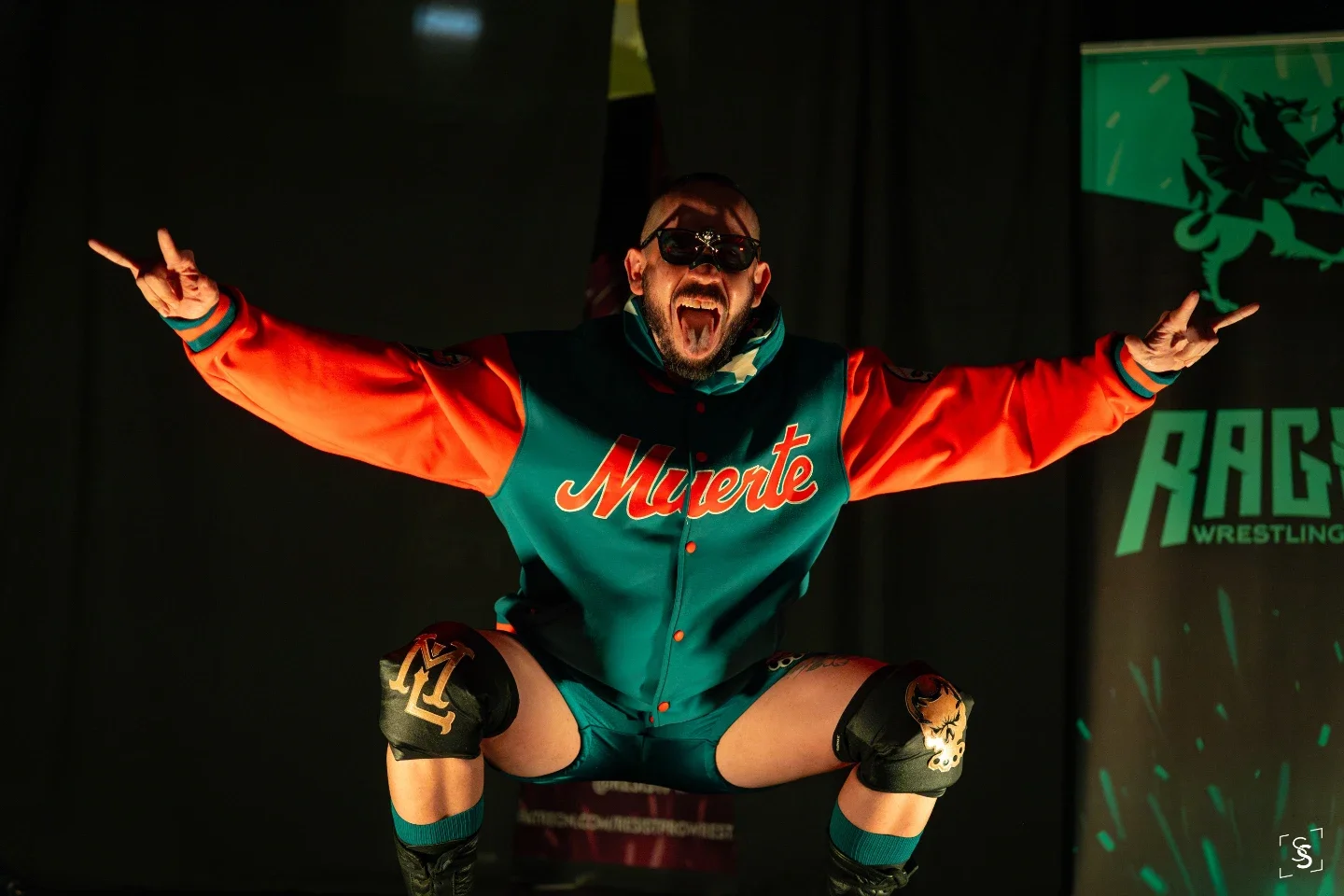
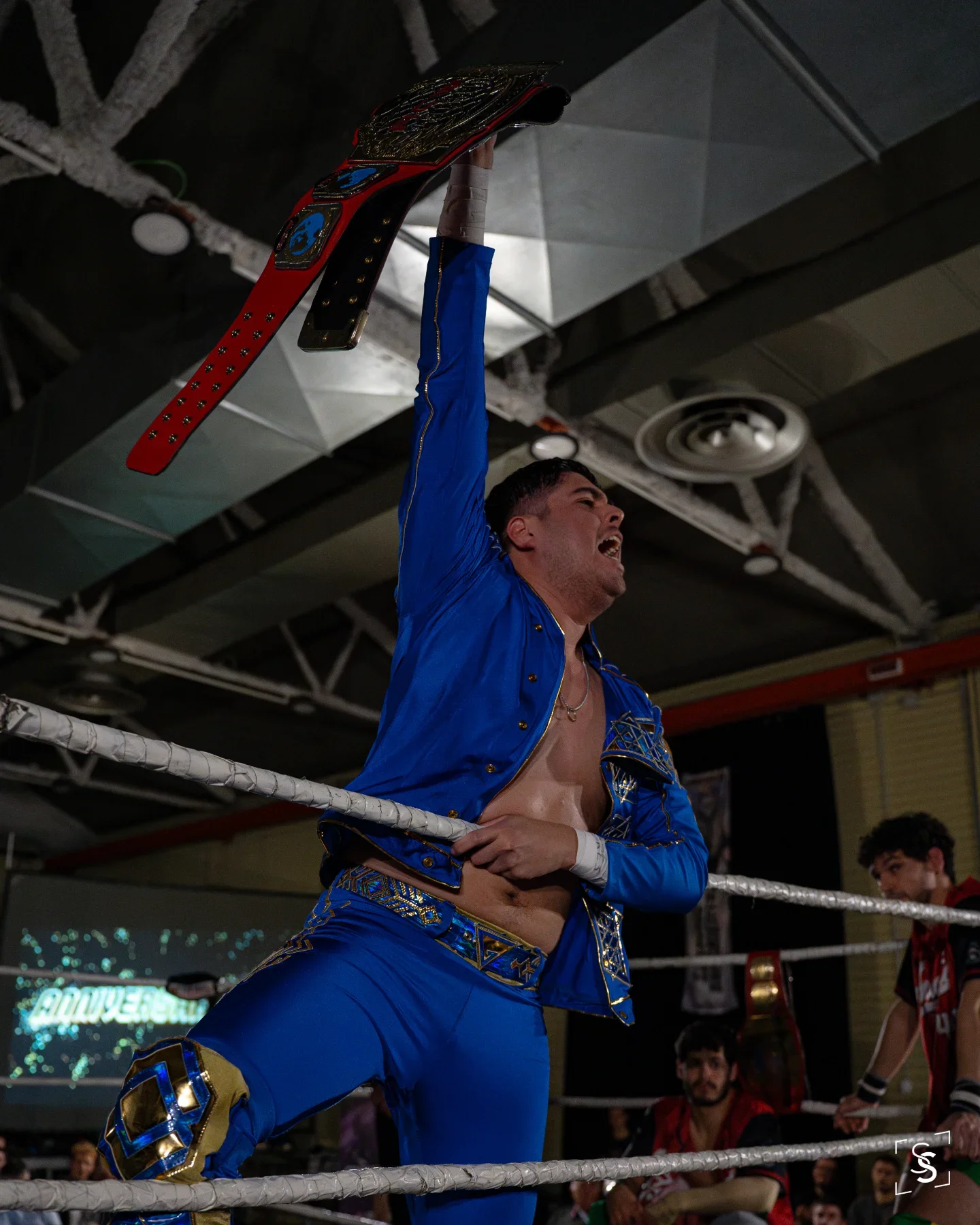
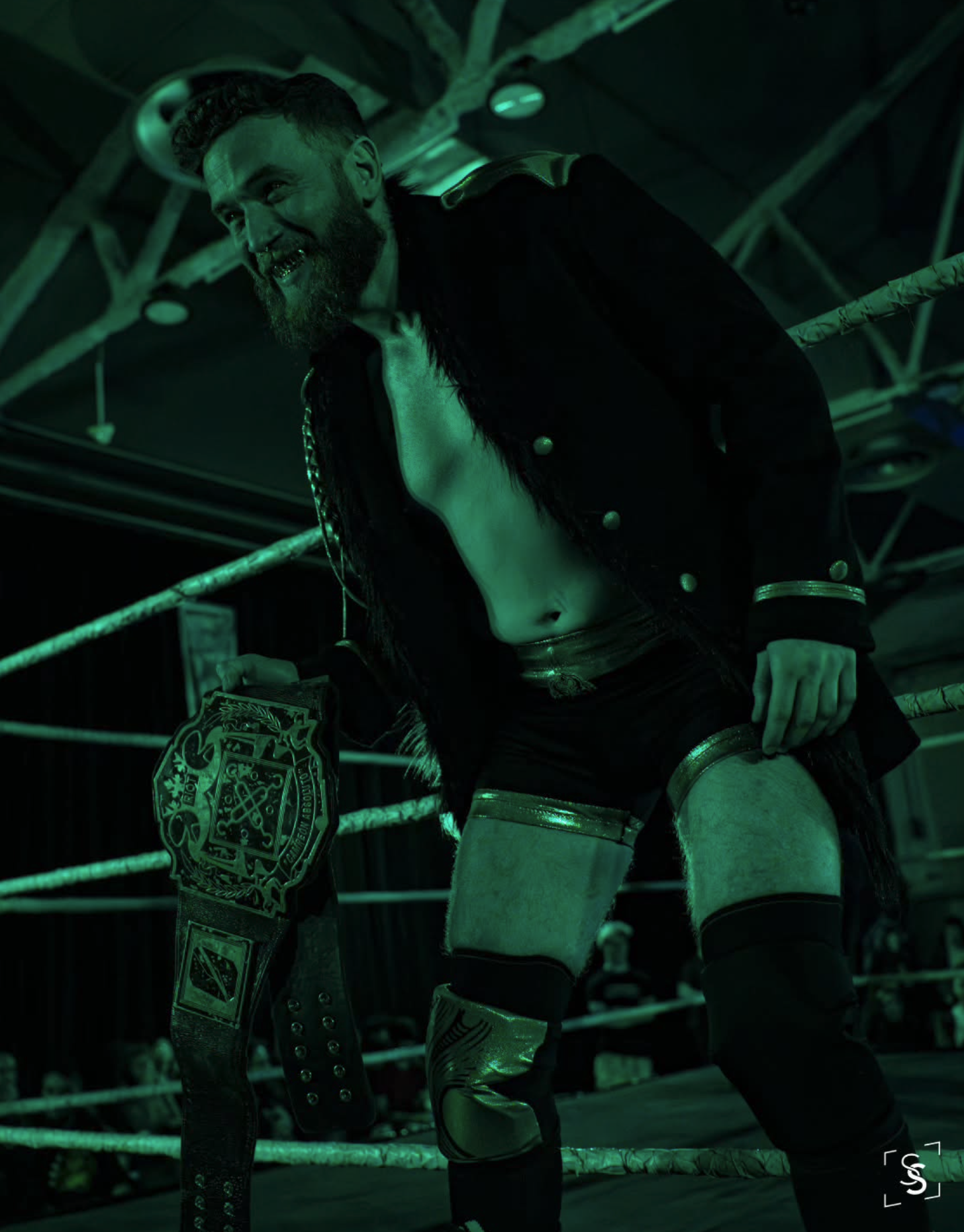
Some wrestlers have a character that is almost entirely visual. The entrance gear, the face paint, the silhouette — something that, in a single frame, tells you exactly who this person is.
If that's you, you might be sitting on merch you haven't even considered yet.
Prints and trading cards exist because fans want to own a moment. Not just support a wrestler, own a specific image, a specific version of that character. If you have photos that genuinely make people stop scrolling, those photos are a product. They don't need a design treatment. They need a good print and a clear sleeve.
This also works in digital formats. Collectible cards, limited edition prints sold through your social channels — things that feel exclusive because they are.
The wrestlers who leverage this well understand something important: the character is the brand, and the visual is the entry point. If your visual is strong, put it in people's hands.
-
A lot of wrestlers overestimate how much merch infrastructure they can carry. Especially when you're working independent dates across multiple cities, or countries, the logistics matter as much as the product.
A rack of hoodies does not travel. A binder of prints is manageable. A small tin of pins goes anywhere.
Before you decide what to make, think about your actual life. How often are you driving versus flying? Do you have a dedicated merch setup or are you working out of a table the promotion provides? How much time do you have between matches and the merch table?
The best merch for a traveling indie wrestler is the merch they can actually bring, display quickly, and sell without a logistics operation. Don't build a product line that works for someone with a tour bus when you're working out of a Honda Civic. Build for the life you actually have and scale from there. goes here
-
That line belongs on a shirt.
Catchphrases, nicknames, the thing the crowd chants back at you, these aren't just performance moments. They're brand assets.
If there's something your fans say about you, to you, or because of you, that's already proven itself in the room. You don't have to guess whether it will land. It already has.
A shirt built around something the crowd already owns feels different from a shirt that's just your name in a font. One is product. The other is a piece of culture they're already part of.
But (and this matters) the line between "catchphrase shirt that your existing fans will buy" and "something a stranger would want to wear" is where most wrestlers stop thinking. Don't stop there. We'll get into that in the next part of this series.
The best merch makes the most sense for who you are
This is the thing nobody tells you at the start.
Merch isn't about what looks cool in theory. It's about what makes sense for your brand, your character, your reality on the road, and the people sitting in those seats watching you work.
Start by being honest about your assets. What is genuinely strong about your visual identity right now? What do people respond to? What travels? What do you actually have the budget to produce without gambling money you can't afford to lose?
Answer those questions before you answer the question of what to make.
The wrestlers who build merch that works don't do it by guessing. They do it by knowing exactly what they have. and building from there.
