
How to Design Your First Lucha Libre Mask:
Start With the Character, Not the Colors
If you're thinking about your first lucha libre mask, the first decision has nothing to do with color, fabric or a pattern you saw online. It's deciding who the mask belongs to. In lucha libre, the mask is the identity the crowd remembers, so designing one is closer to building a character than sewing a costume.
A mask is a character, not an accessory
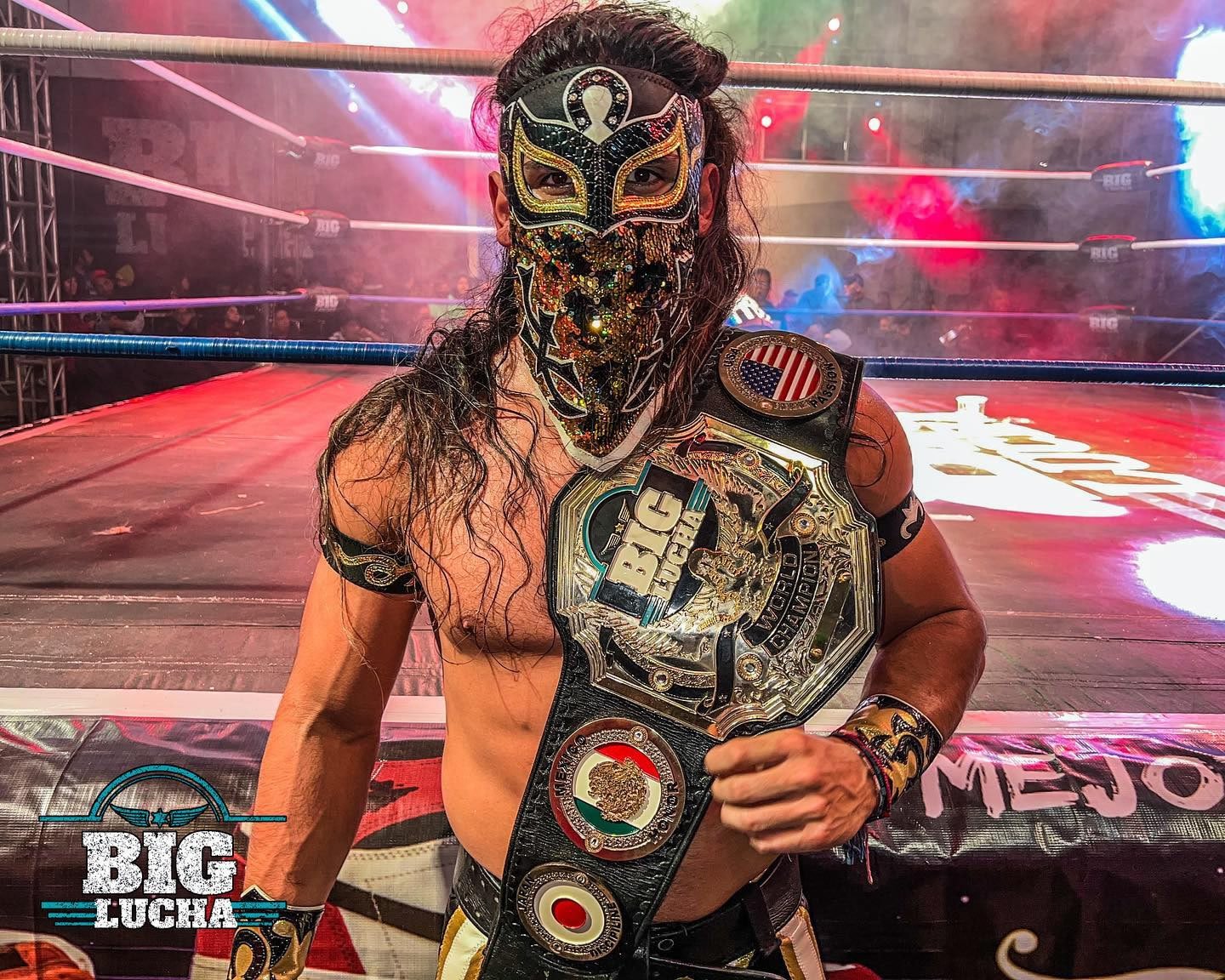
Veteran luchador Magno told ABC that the mask is what turns a wrestler into a warrior, and many luchadores won't reveal who they are when they appear at events. The mask also has a practical job. A memorable mask lets fans recognize a luchador instantly, even from the far side of an arena.
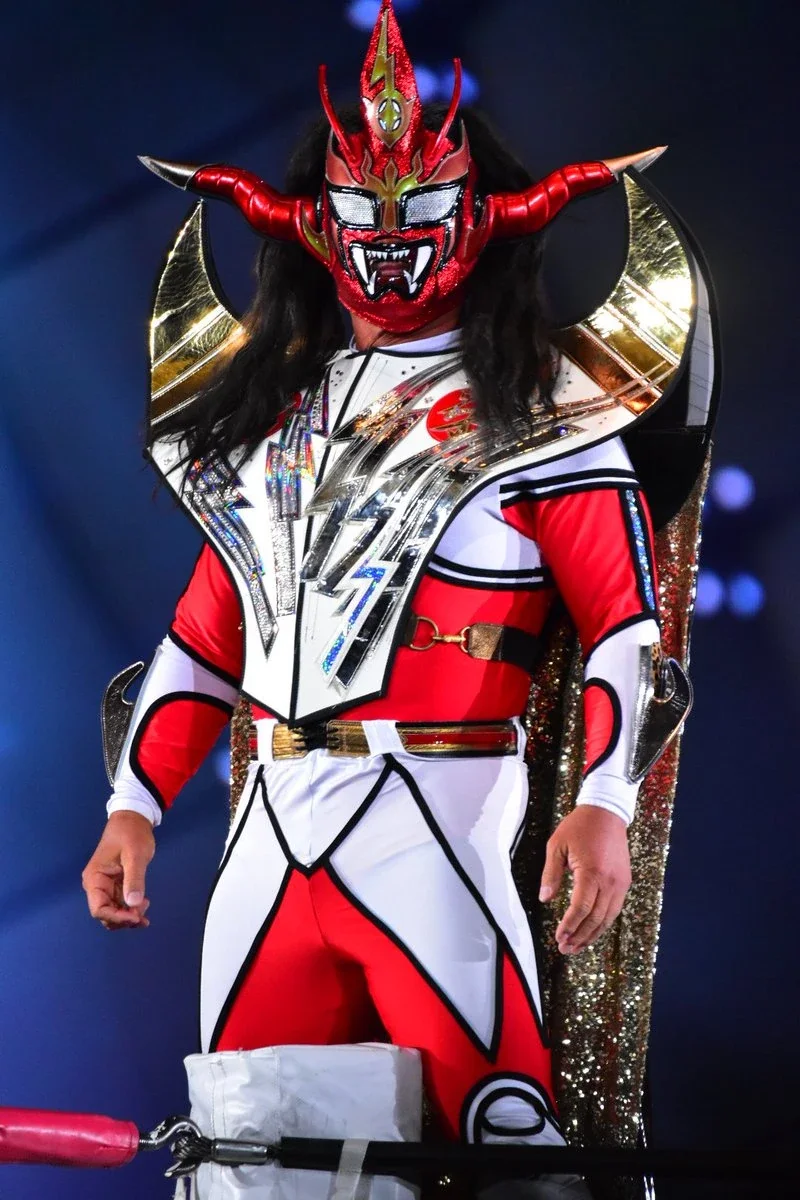
That's a design brief. Your mask has to read at distance, say who you are, and hold up over years. Modern masks are designed to evoke animals, gods, ancient heroes and other archetypes whose identity the wrestler takes on in the ring. Pick one archetype before you pick a color.
Where the tradition comes from (and what's disputed)
You'll often hear that masks descend from ancient warriors. Magno himself links the tradition to Maya and Aztec warriors who painted their faces. Wikipedia calls that a common misconception and says the mask was introduced in Mexico when a promoter brought the American wrestler Cyclone McKey to the Empresa Mexicana de la Lucha Libre. Spellings of his surname vary between accounts, so check before you publish.
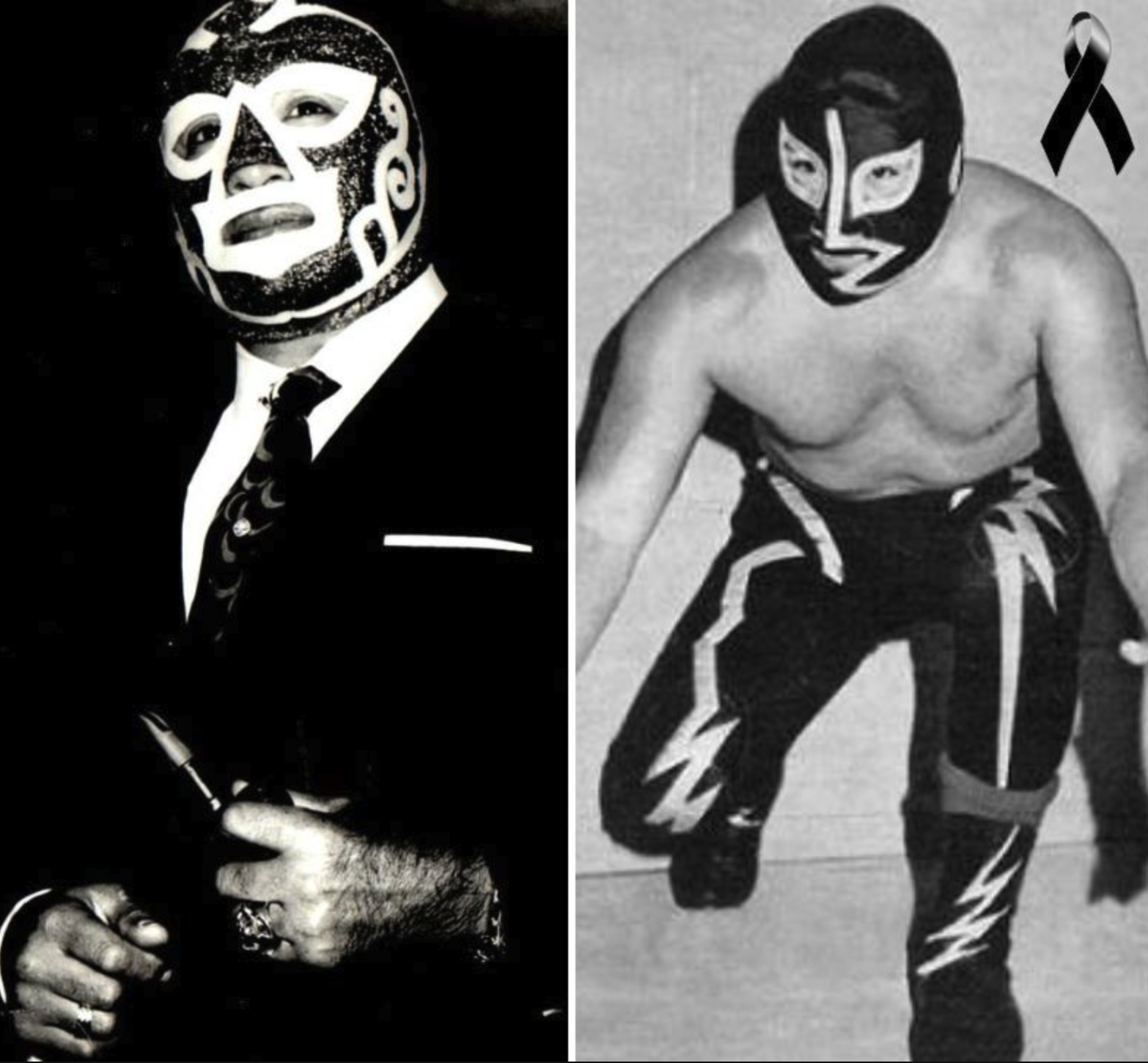
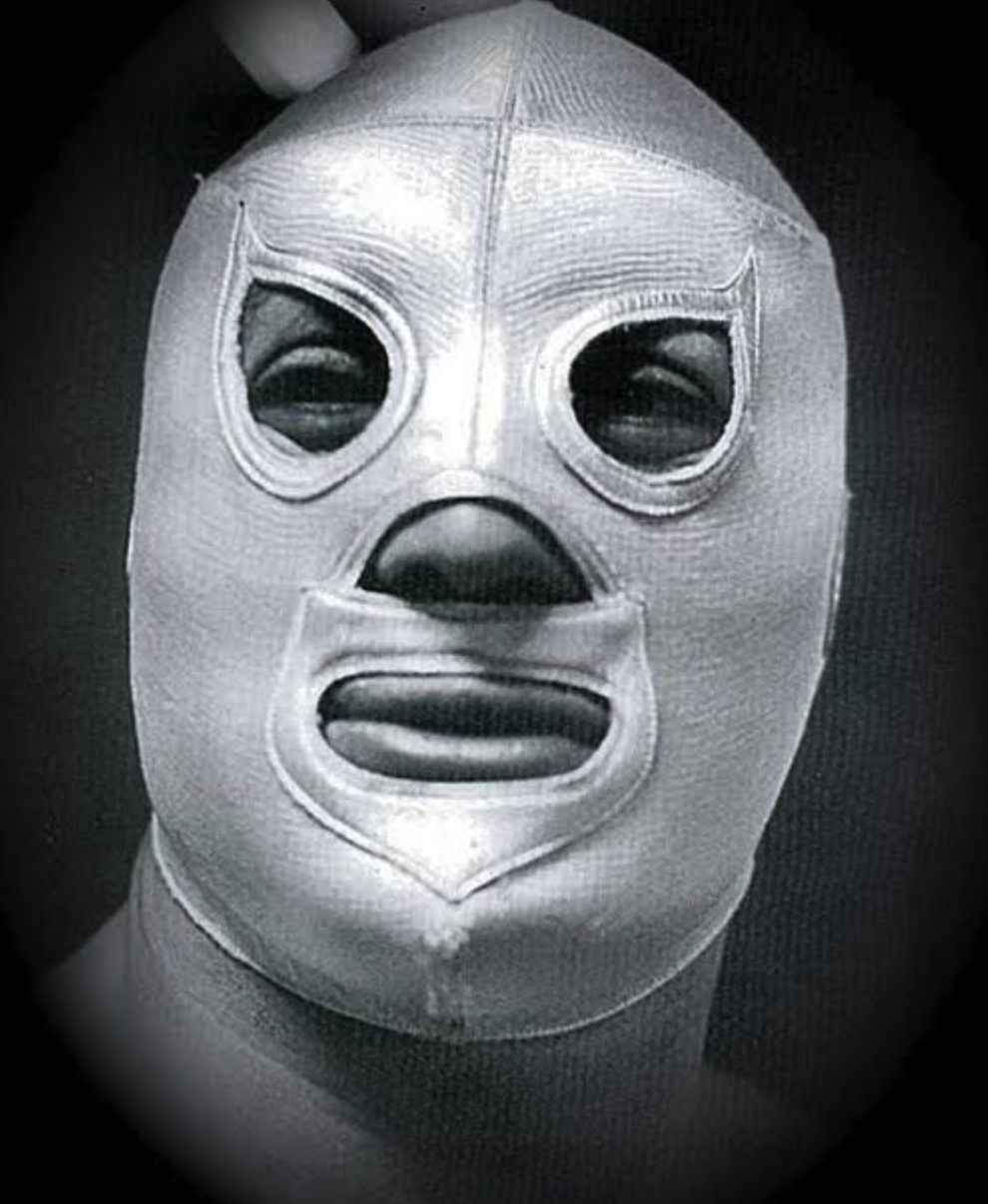
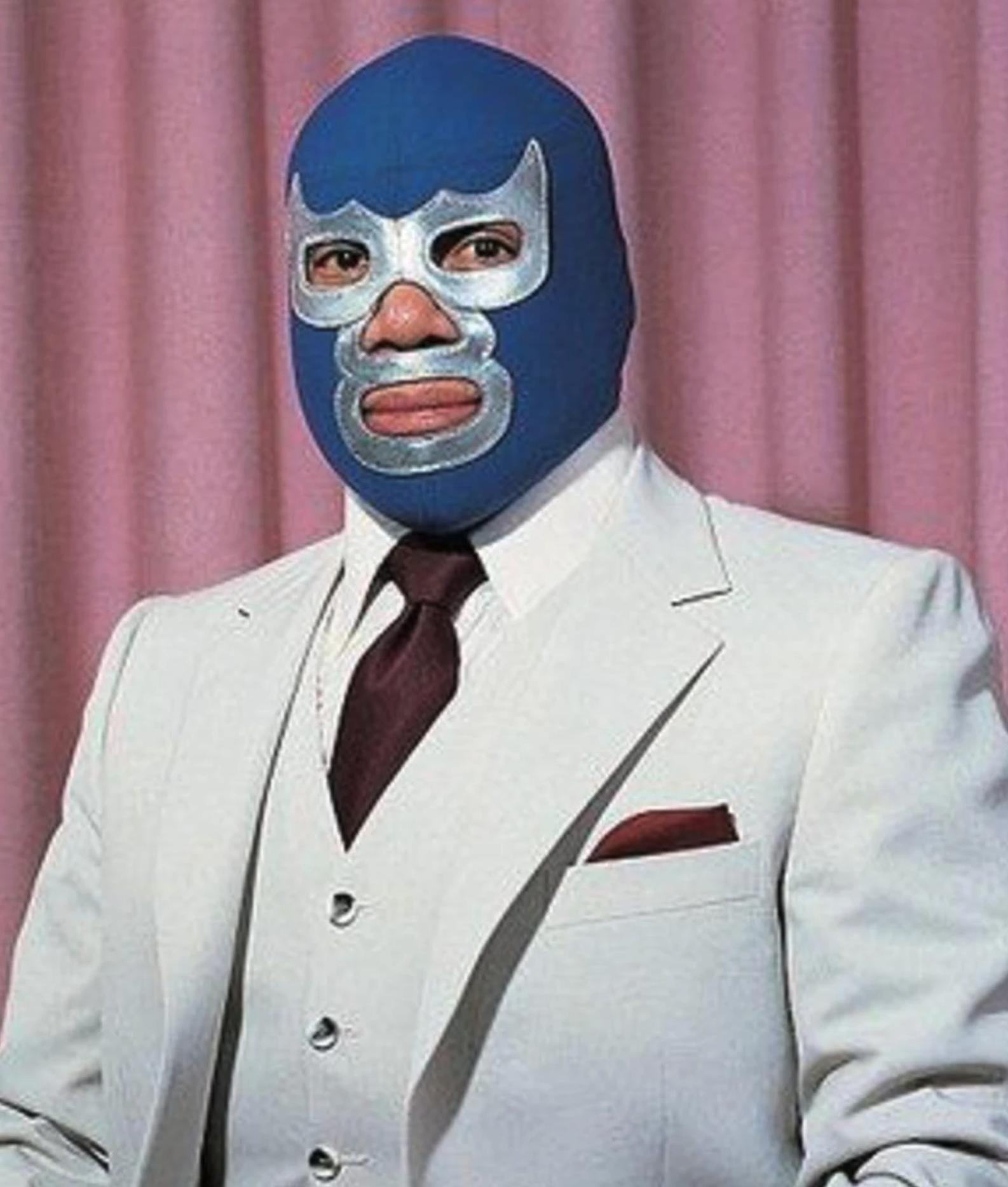
What isn't disputed is how quickly the mask took hold. It wasn't part of the original idea of lucha libre, but it took off once promoters saw the success and curiosity that a covered face created. The first Mexican wrestler to wear one was El Murciélago Velázquez, in an all-black mask, and masks became popular in the 1950s with legends like El Santo, Blue Demon and Rayo de Jalisco.
Why you shouldn't wear someone else's mask
The mask carries weight because it can be wagered. In a mask-versus-mask match, the loser removes the mask and traditionally reveals personal details like a name and hometown. In the tradition, winning an opponent's mask in a bet match is considered the highest achievement.
So the mask is never just fabric. Wearing someone else's design means the crowd sees their story and not yours. For a beginner, the most respectful move is to build your own from your own character.
Patterns are the features of your mask's face
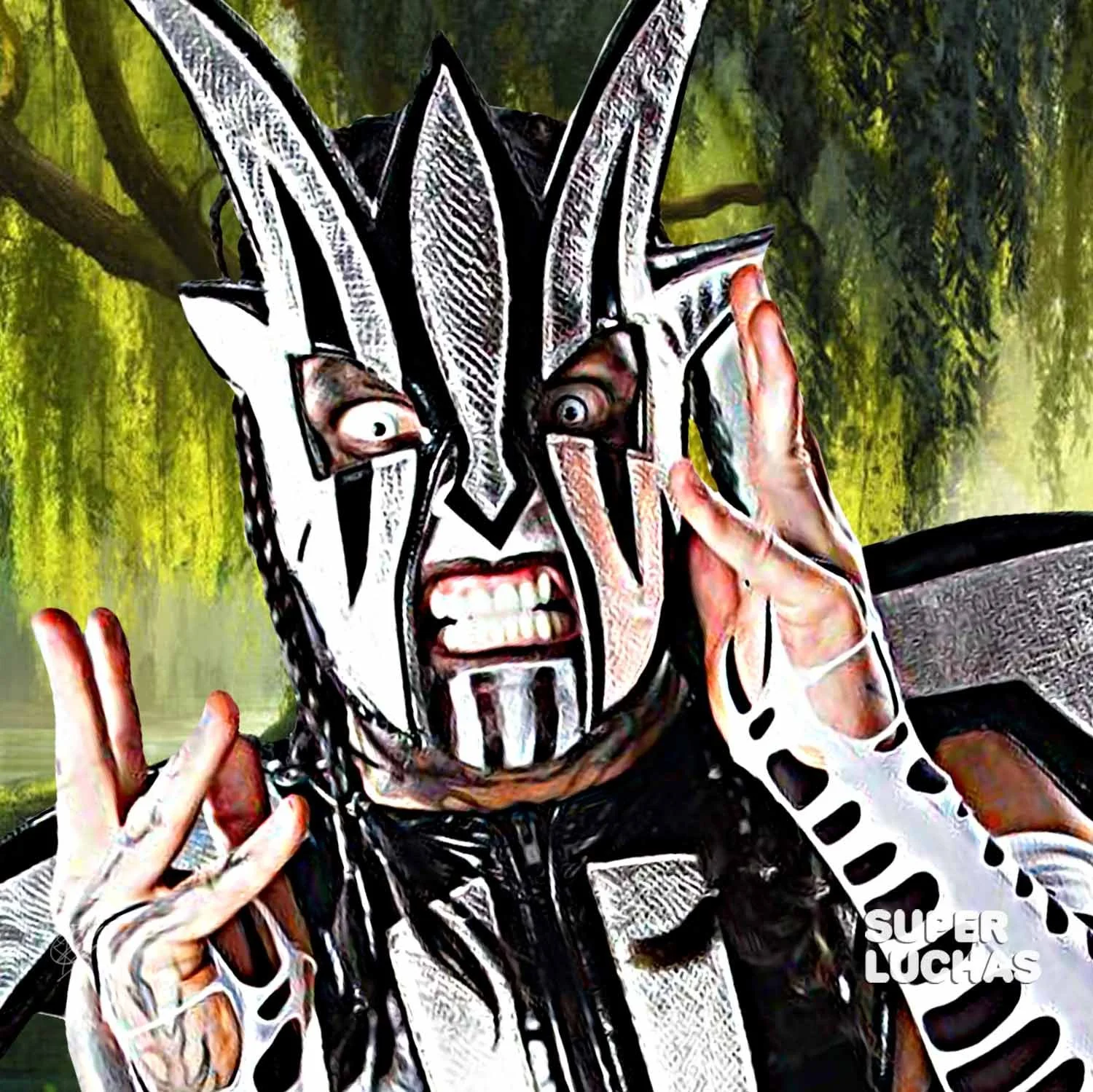
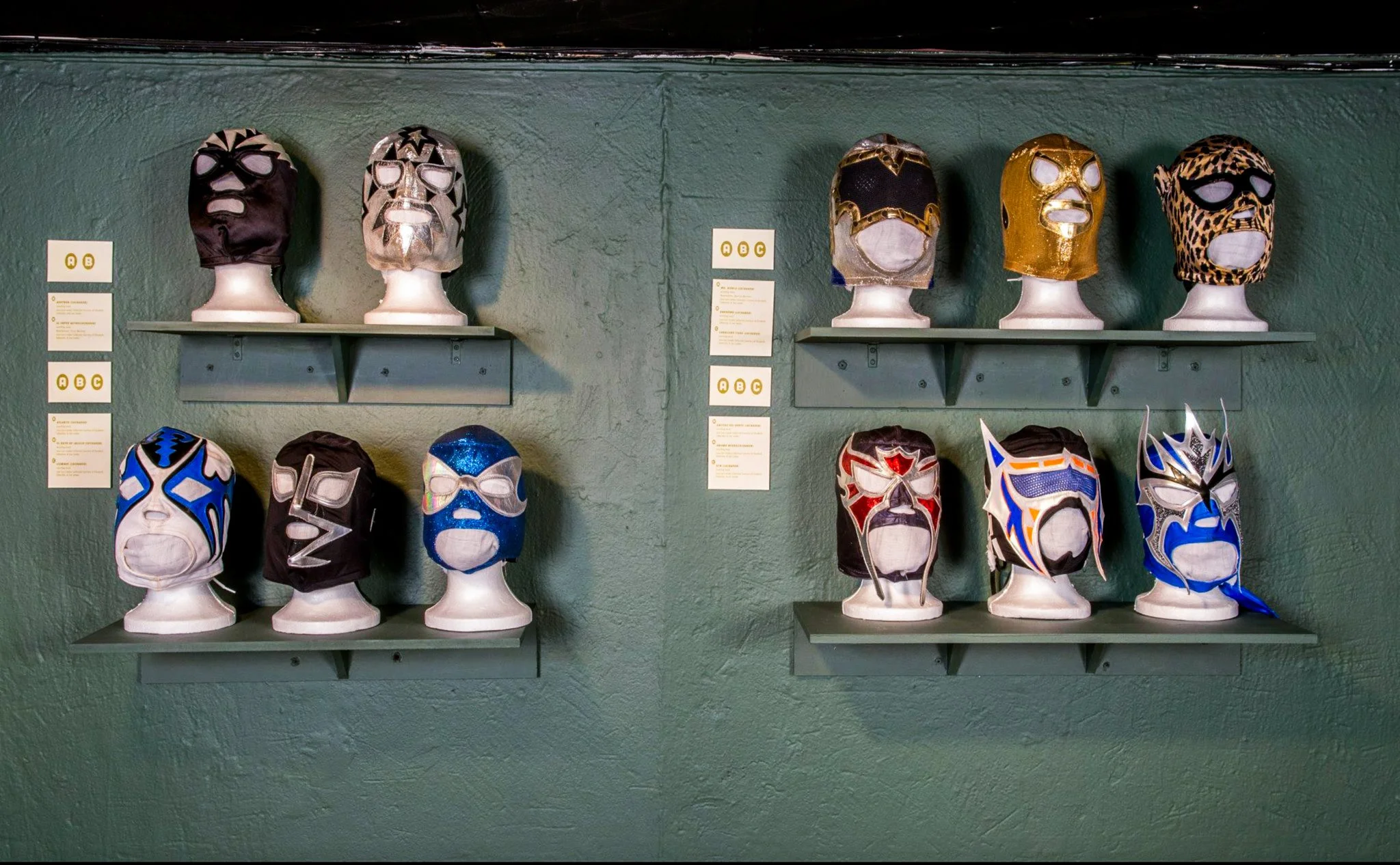
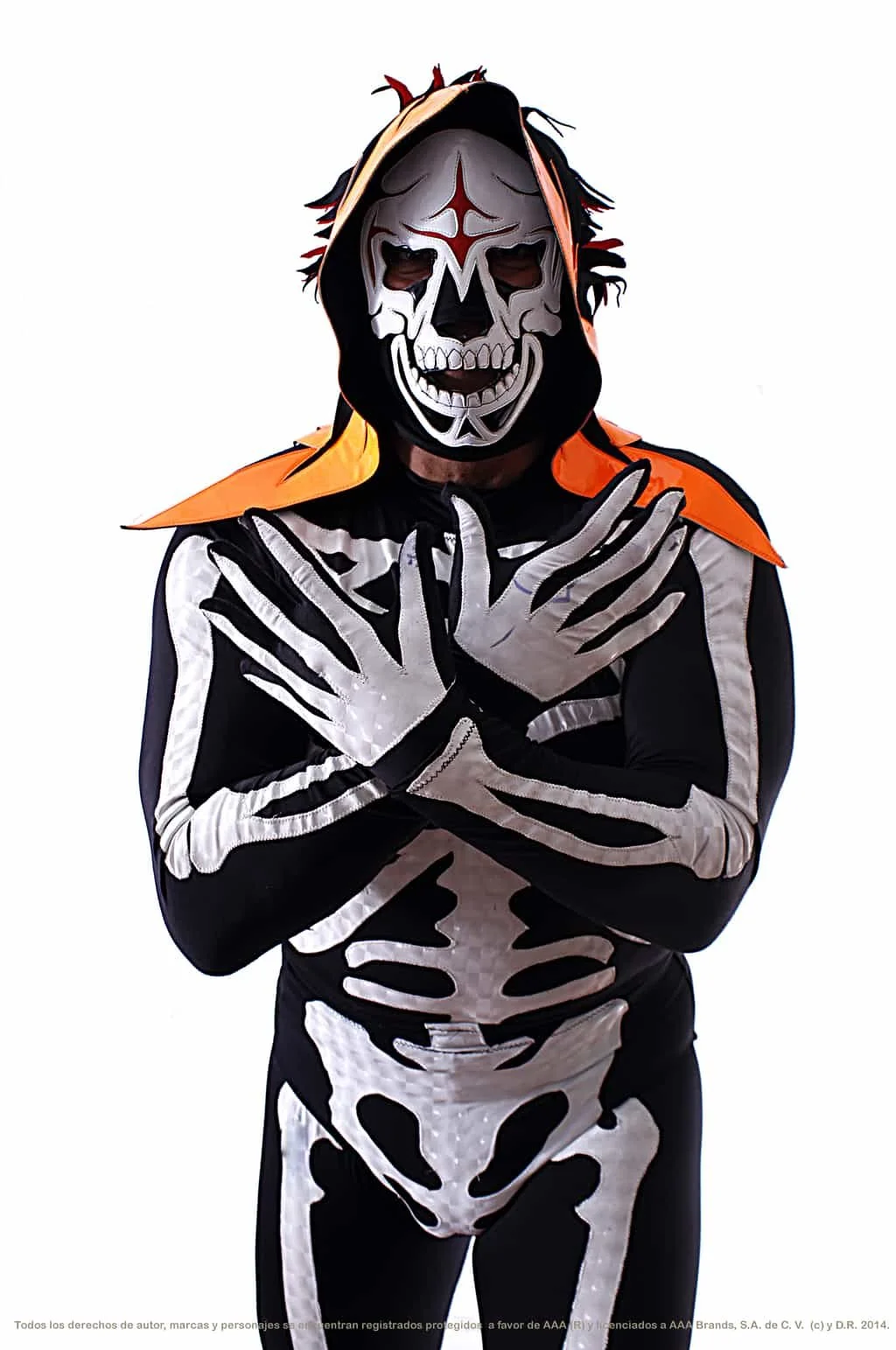
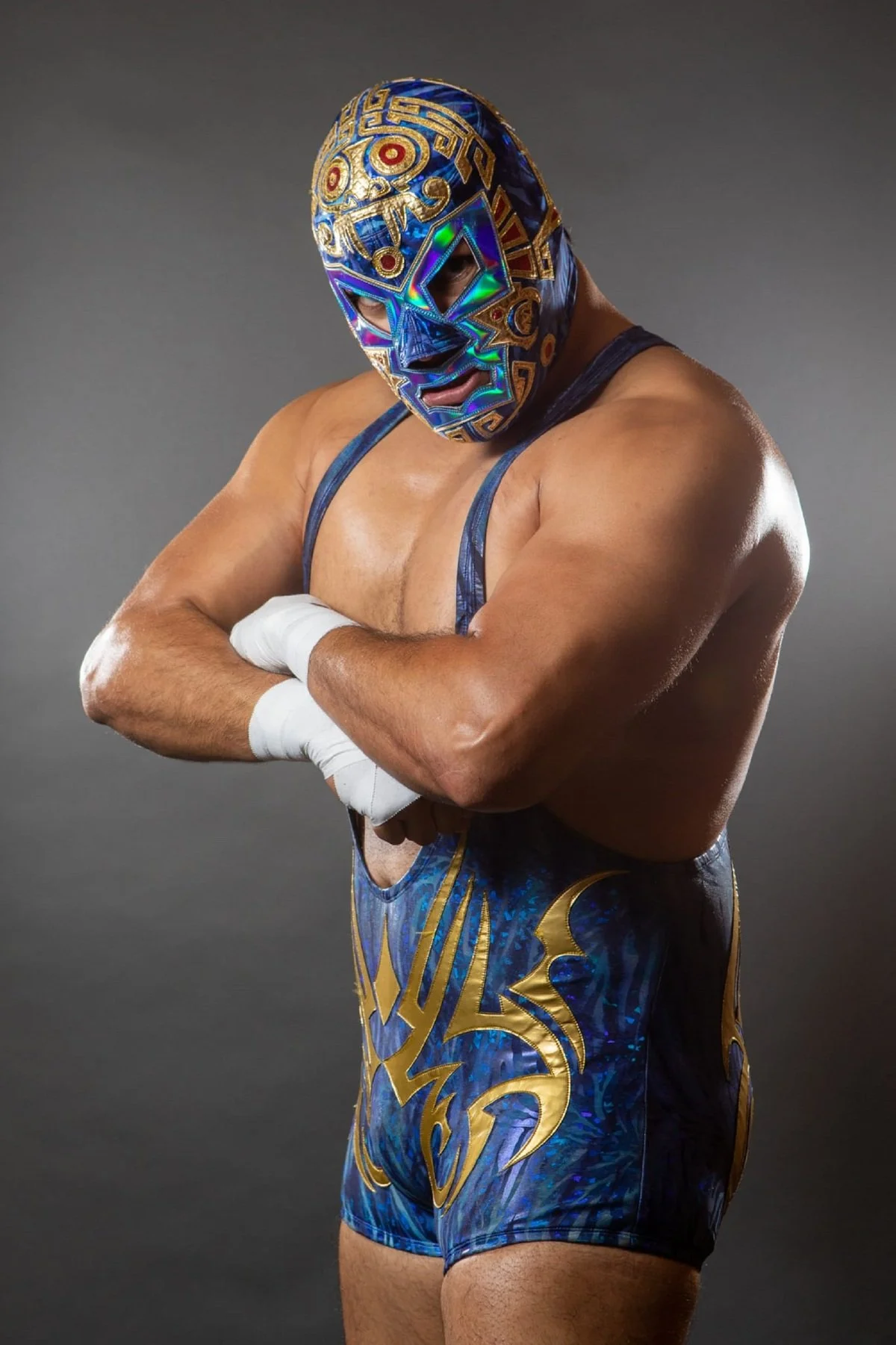
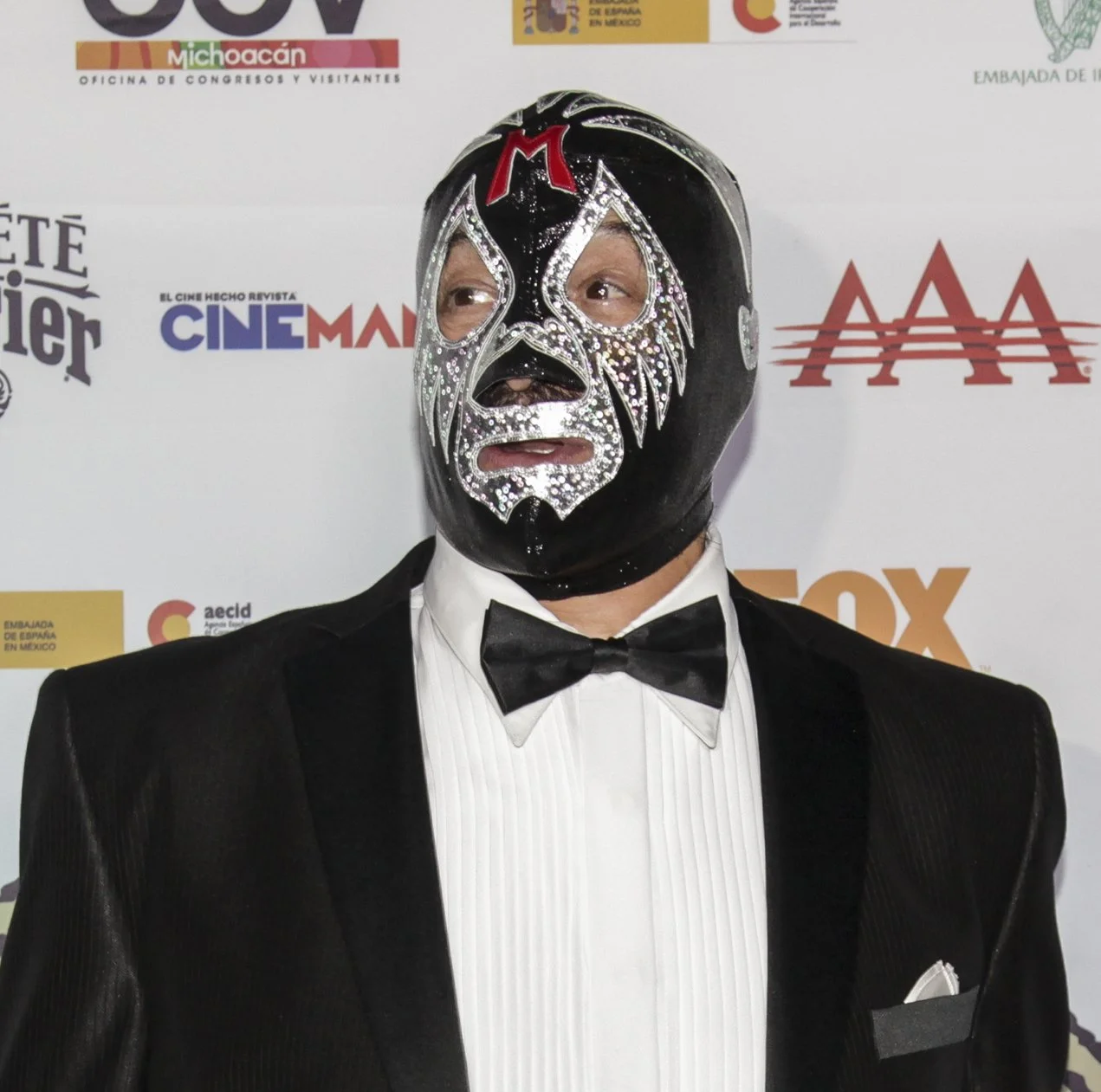
Colors get the attention, but patterns do the identifying work. Think of a mask as having features, like a face: eyebrows, mouth, nose. Those shapes are what the crowd learns to recognize.
This is why two iconic masks like Rey Mysterio's and Dr. Wagner's can look completely different and still each feel unmistakable. Rey Mysterio has reportedly worn more than a thousand masks by his own account, in endless colorways and designs. The rule to take from that: you can change the colors and the materials, but keep your core patterns the same. That repetition is what links every version together and makes the crowd feel it's still the same character.
Balance matters too. Patterns and colors need to be distributed with integrity across the whole mask.
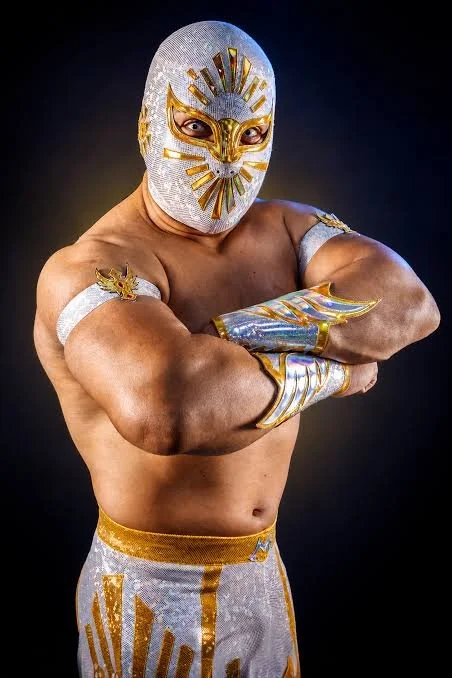
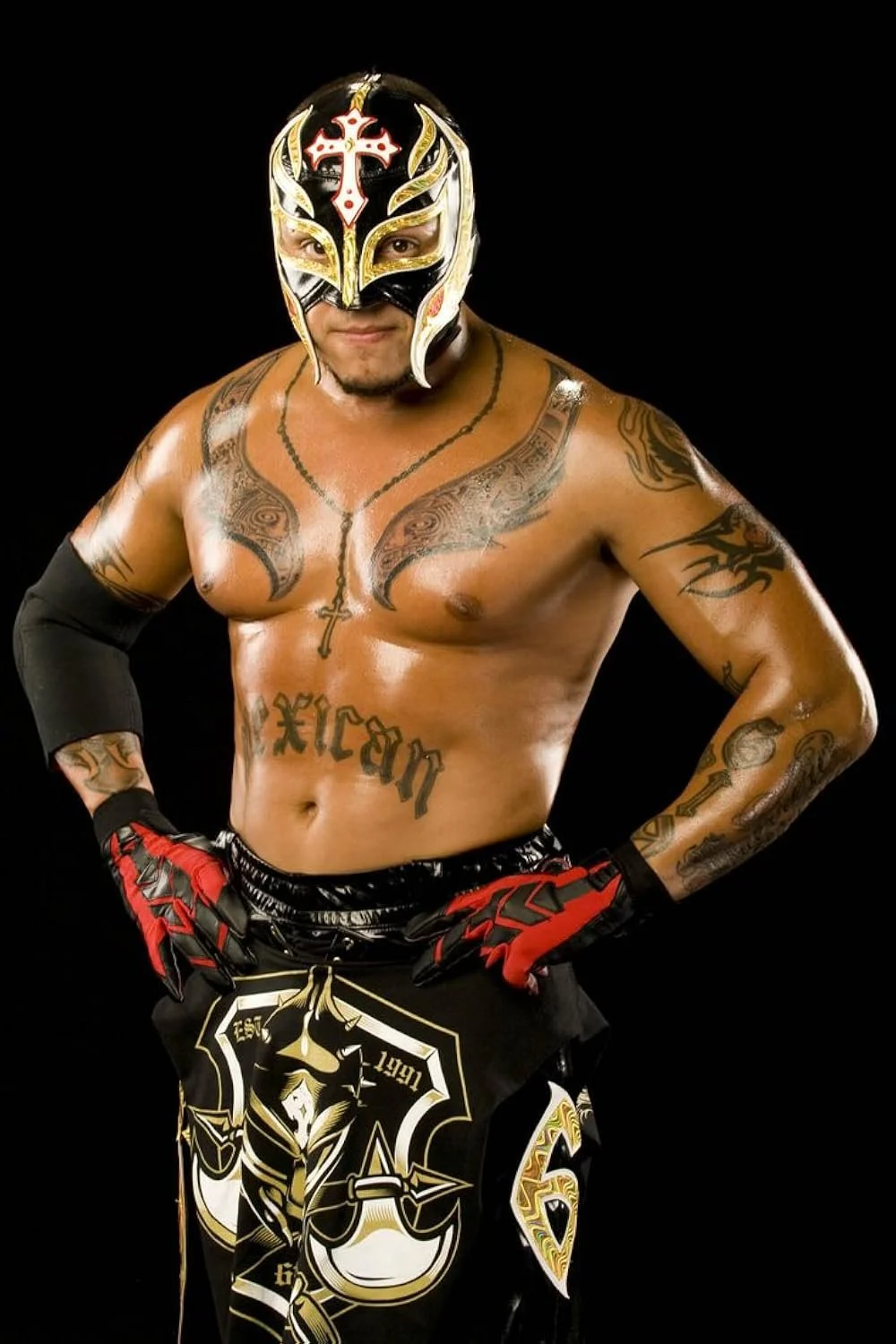
Colors are conventions, not rules
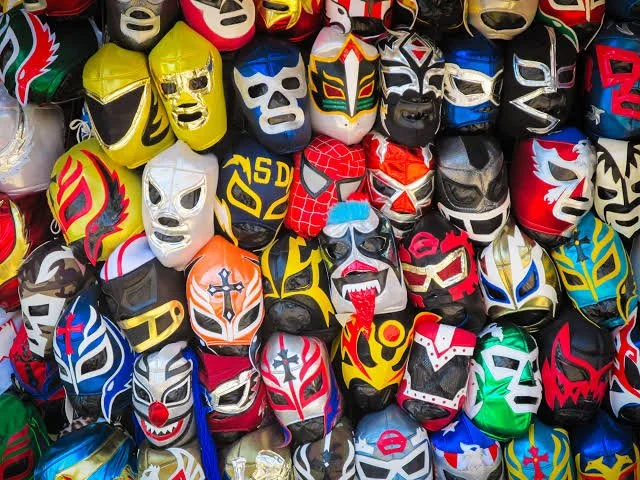
Técnico (the hero) and rudo (the villain) shape your palette, and your gear too, so the crowd can start to understand you before you act. A common tendency is bright masks for técnicos and darker tones for rudos. It's an unspoken rule, and nothing is set in stone. Even El Santo, the icon of lucha libre, started his career as a rudo. Use the convention to help the crowd read you, and break it when your character calls for it.
How masks are actually made
Mask makers, or mascareros, work more like designers than tailors. Designer Nenuco Rivero makes a first sketch in about twenty minutes, and the craft often keeps the artisan in near anonymity. A mask is often a collective creation, and in some cases one takes about a day of work. Fit is part of the craft too: 17 head measurements taken by mask maker Don Antonio Torres became the standard for masks today.
Your first step
Write your wrestling name. Next to it, write the things that make you unique. Start from there.
Once you have those, sketch your mask in three different color schemes. If it still reads as the same character, your patterns are doing their job. The next post goes deeper on turning a name and a story into a design.
You have the whole shape of the head to play with, the style of the mask, and even beyond that. What decides it is your name, your concept, your story.