
The Brand That Cracked Wrestling
Every few months, a brand outside wrestling drops a collab. A shirt, a poster, a "wrestling-inspired" drop. And most of the time, it misses. Wrong colors, wrong energy, a logo stapled onto something that already had its own identity.
I found the exception by accident, in a museum, looking for something completely unrelated.
Wrong Place, Right Discovery
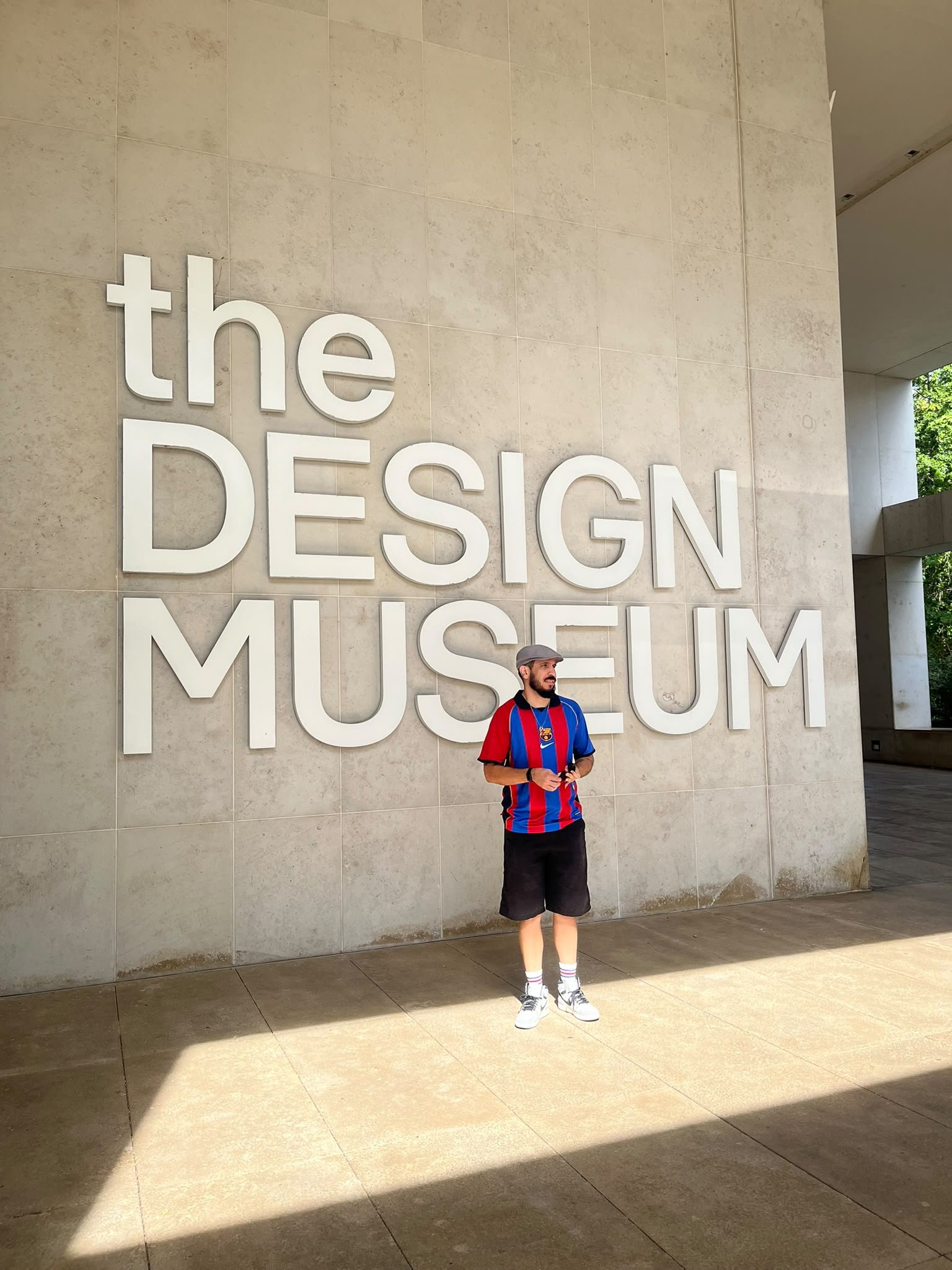
This summer I visited the Design Museum in London. I wasn't hunting for wrestling references. I was there for logo work, general visual inspiration, the usual creative-director errand.
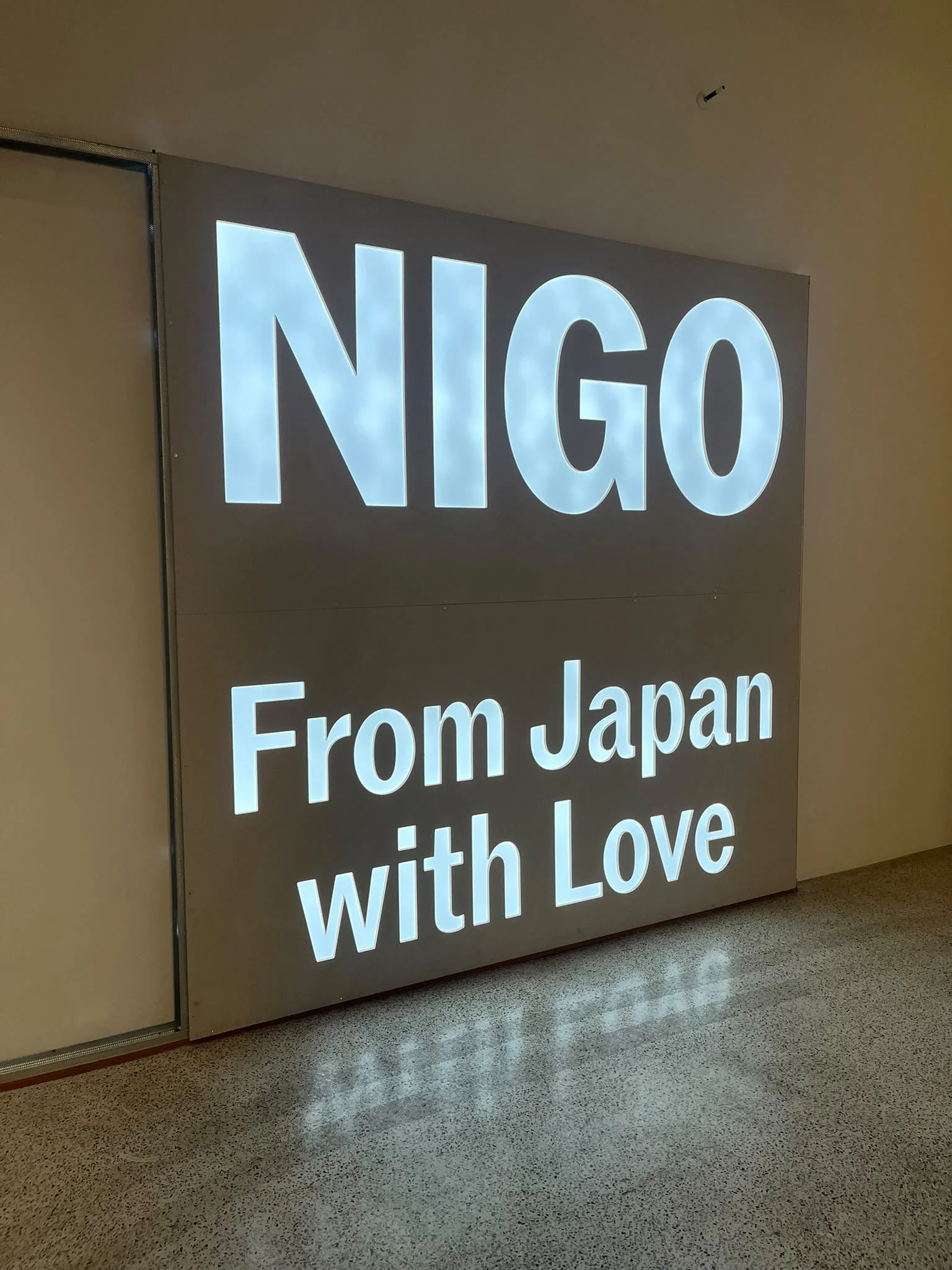
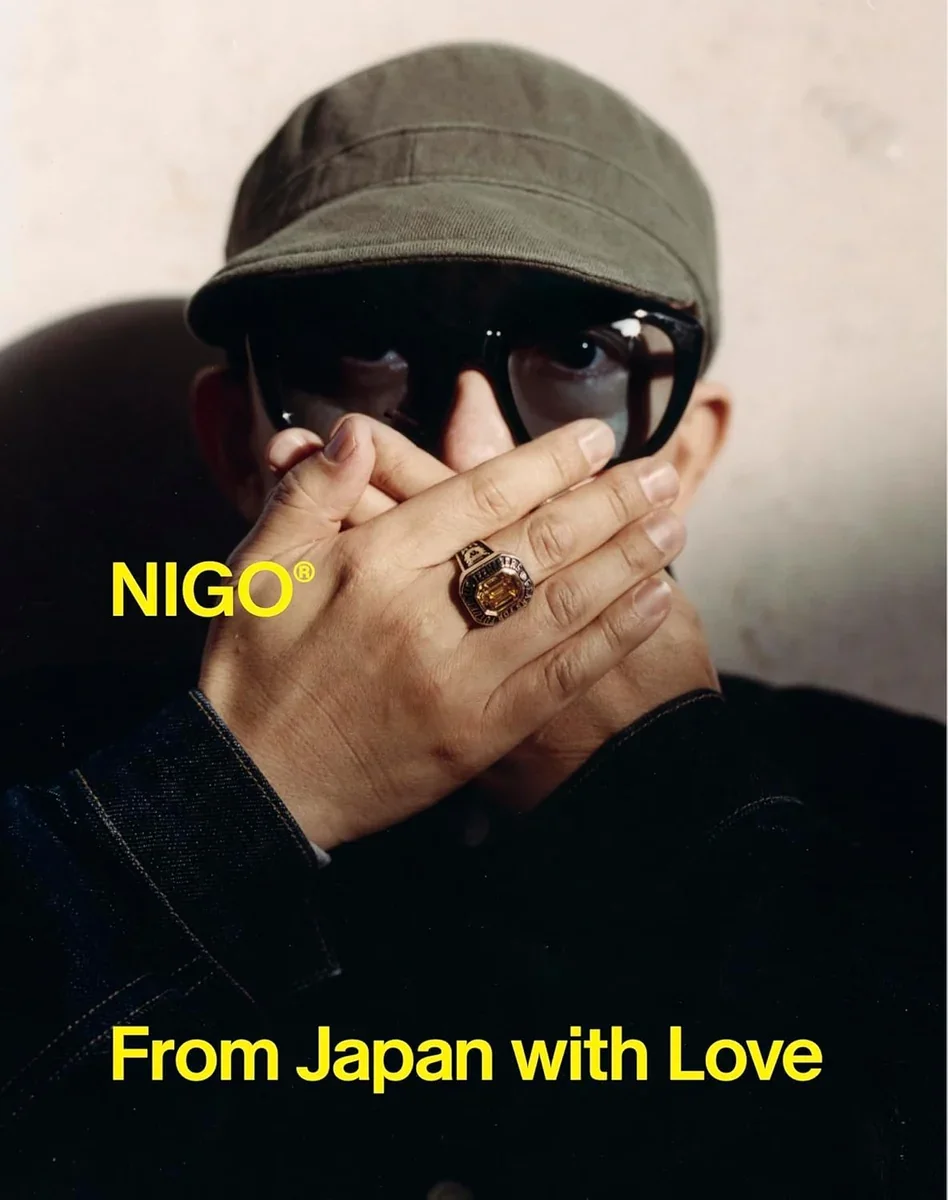
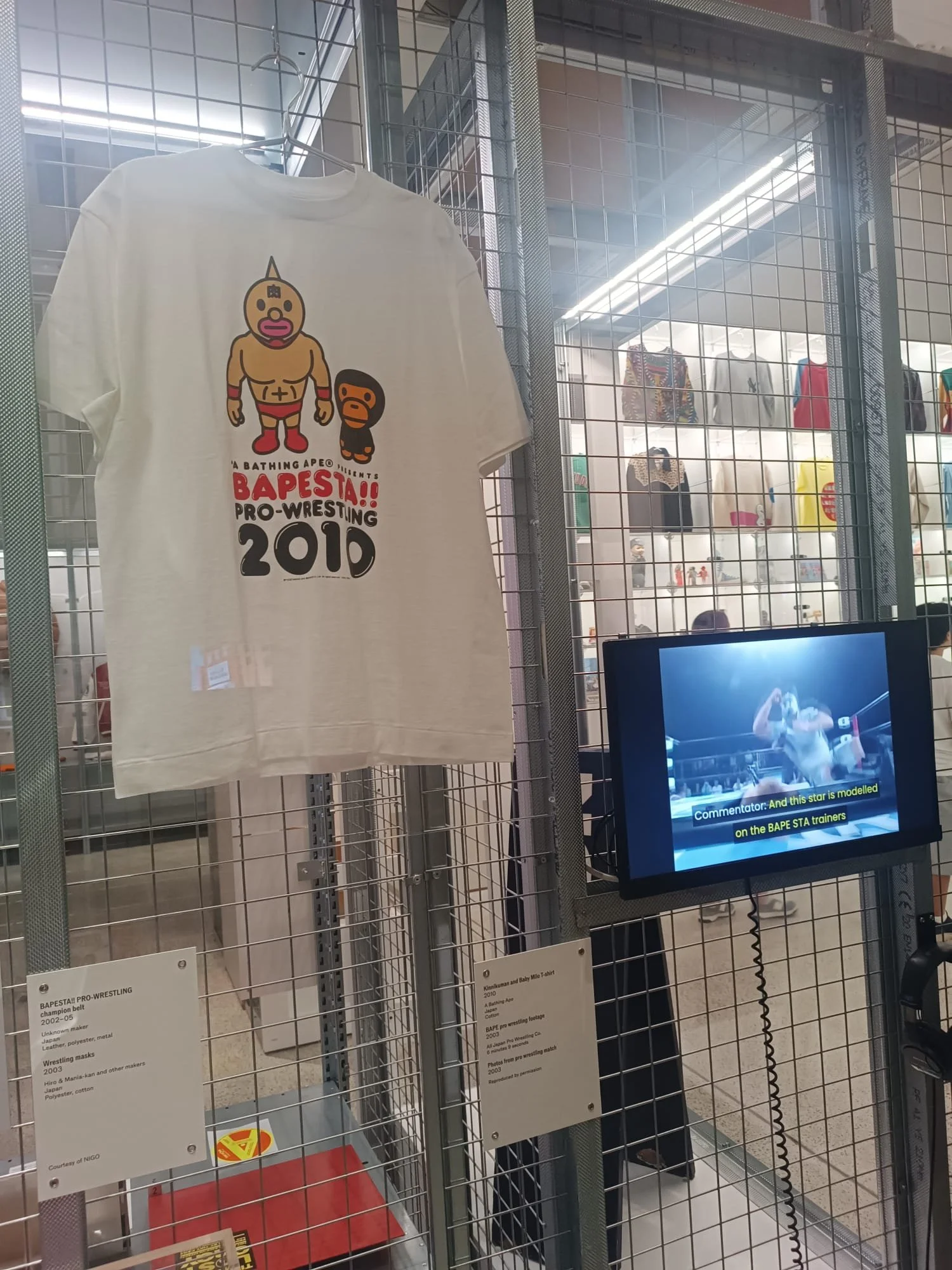
I walked into an exhibition called "From Japan With Love," a full retrospective on NIGO, the designer who founded BAPE and became one of the defining figures of modern streetwear. Camo hoodies. The Ape head. The Kenzo years. Everything you'd expect from a streetwear retrospective.
And then, tucked into the middle of it, a section I did not expect: All Japan Pro Wrestling.
That stopped me. How does a streetwear brand end up inside a wrestling ring?
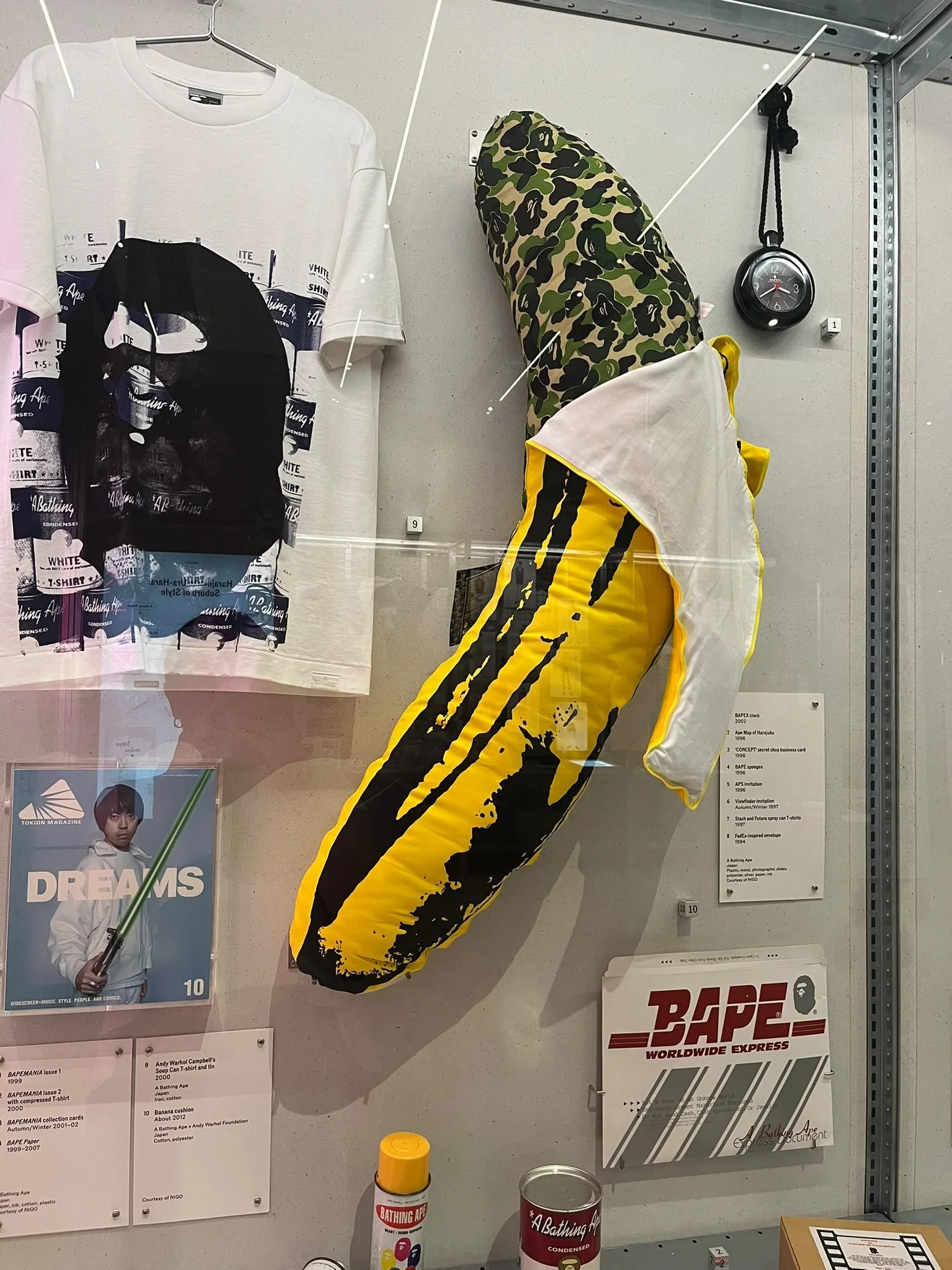
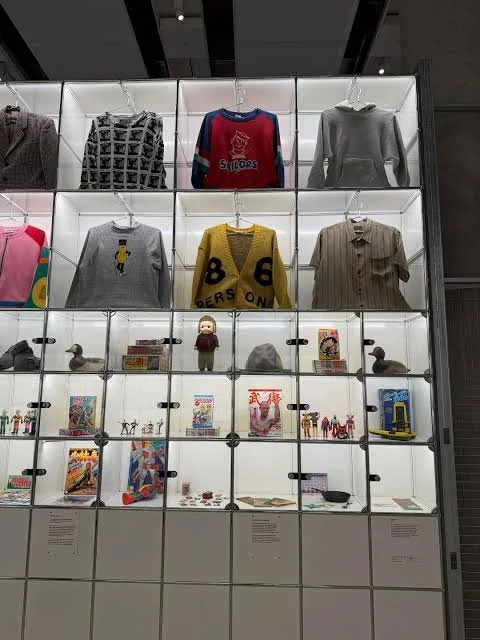
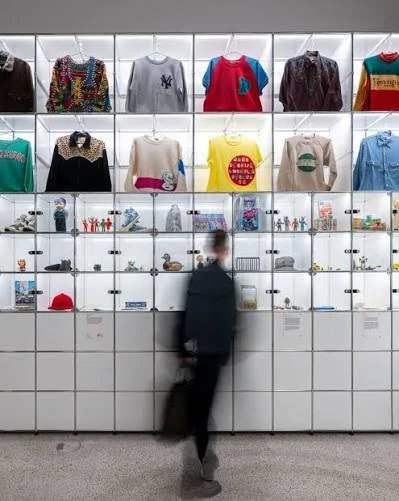
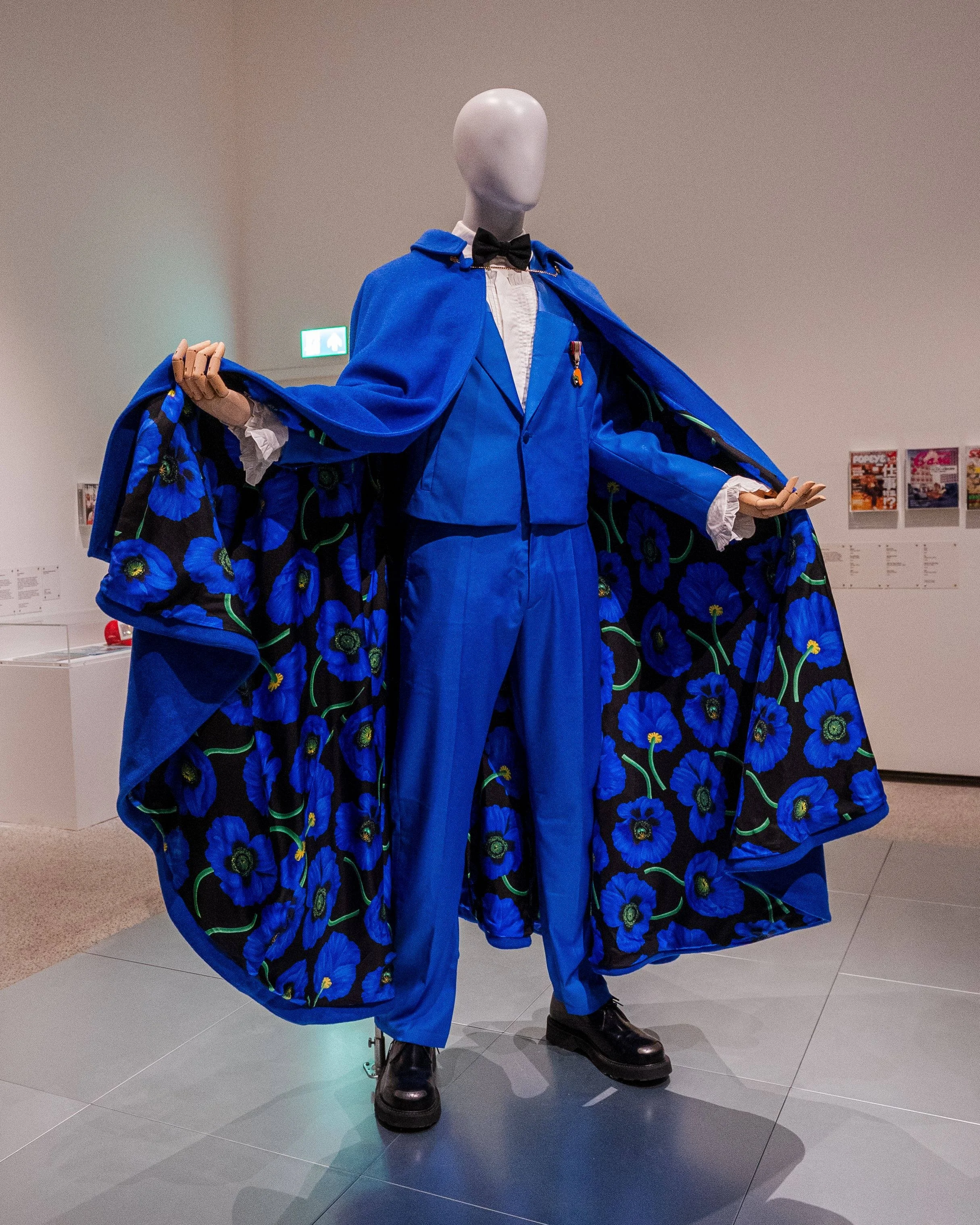
Not a Logo on a shirt, A WOrld inside of wrestling
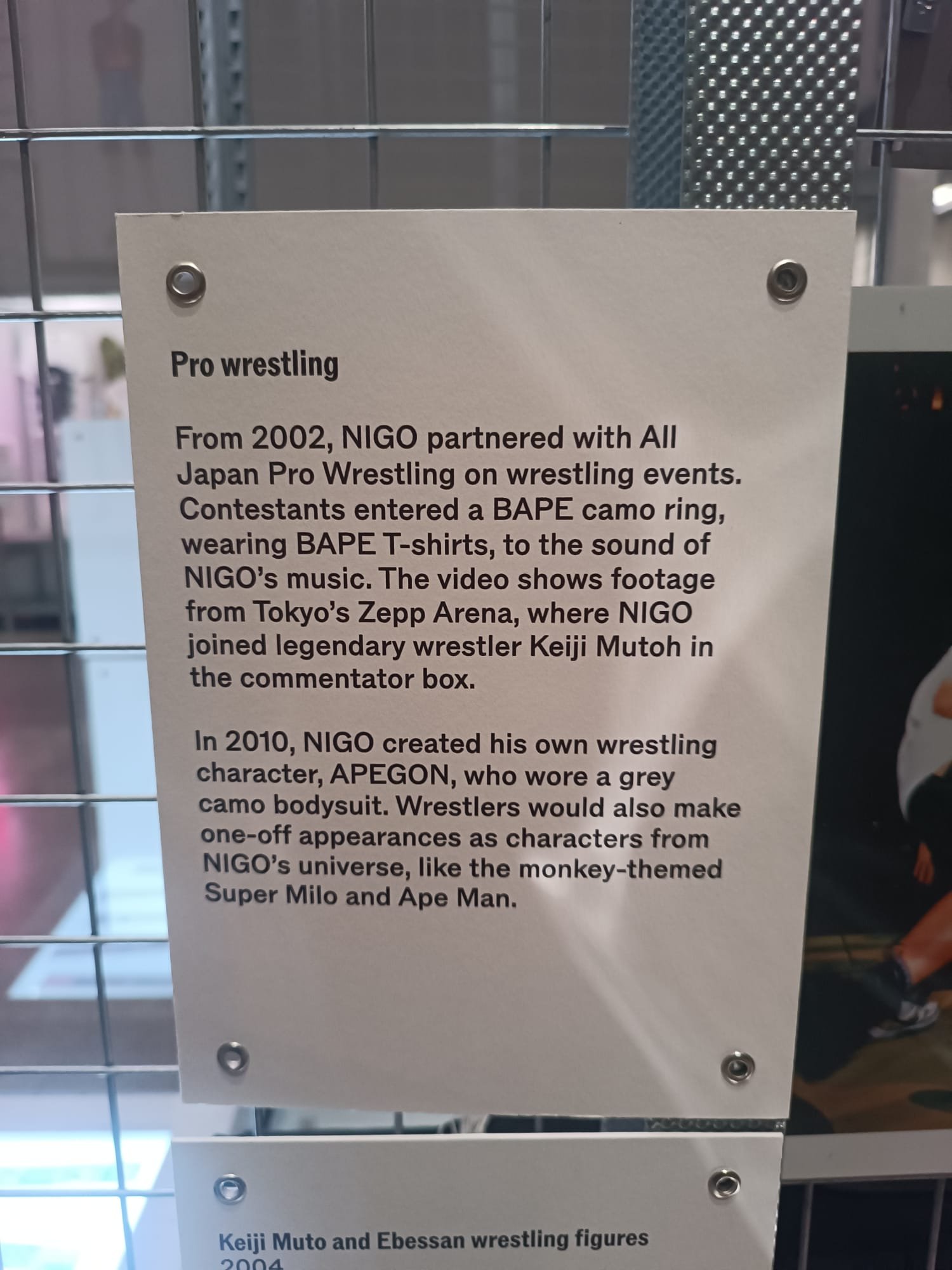
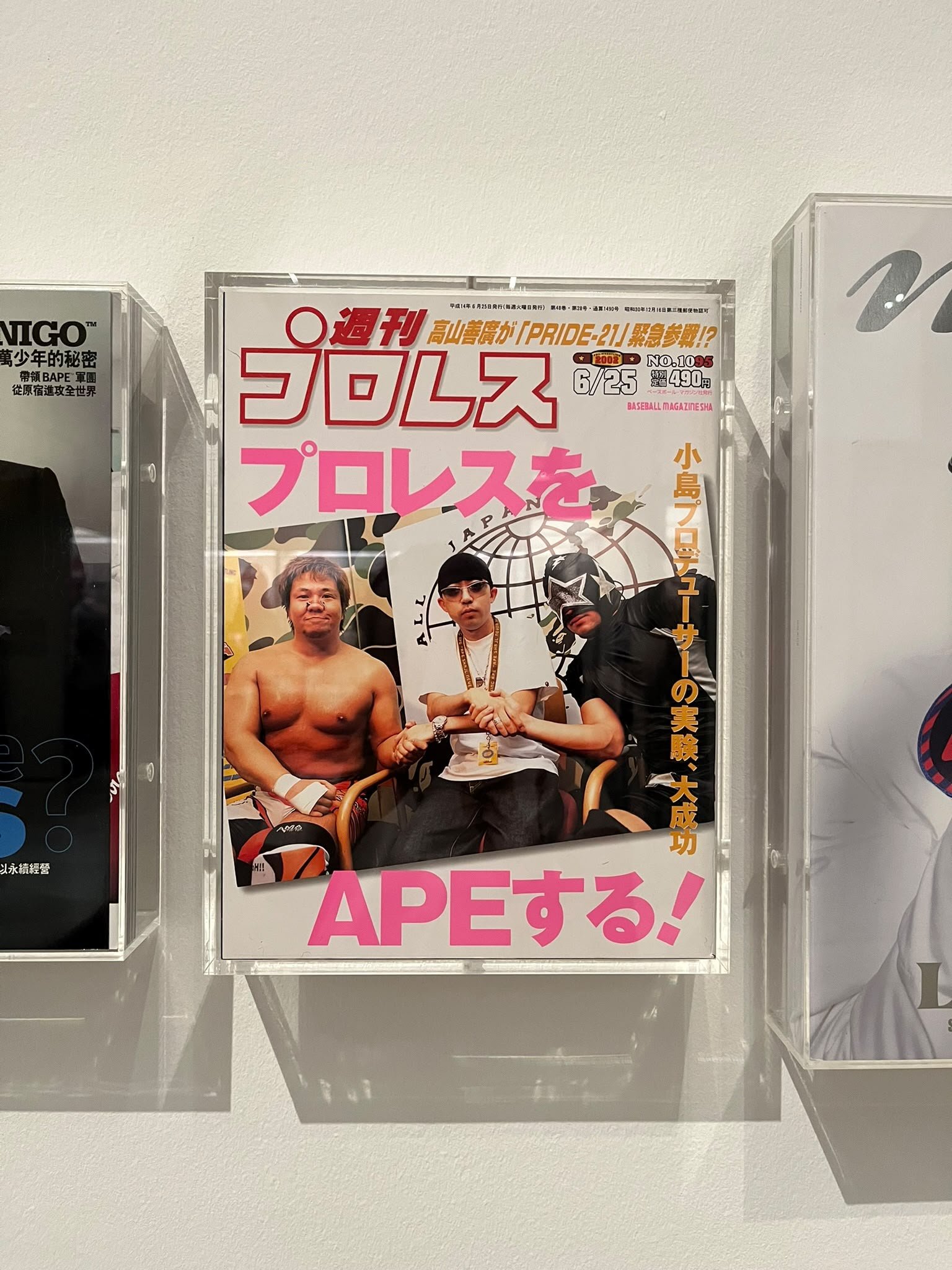
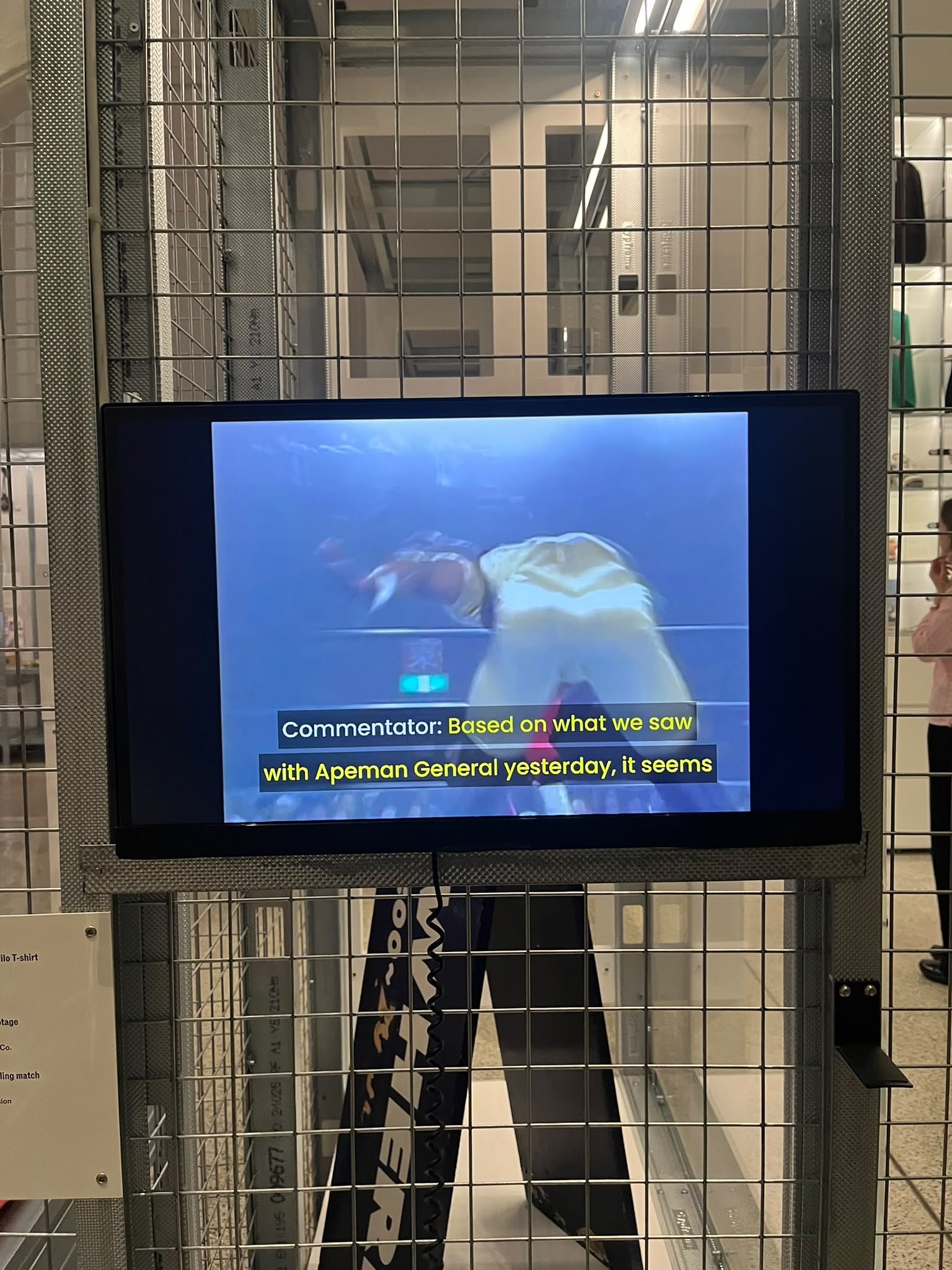
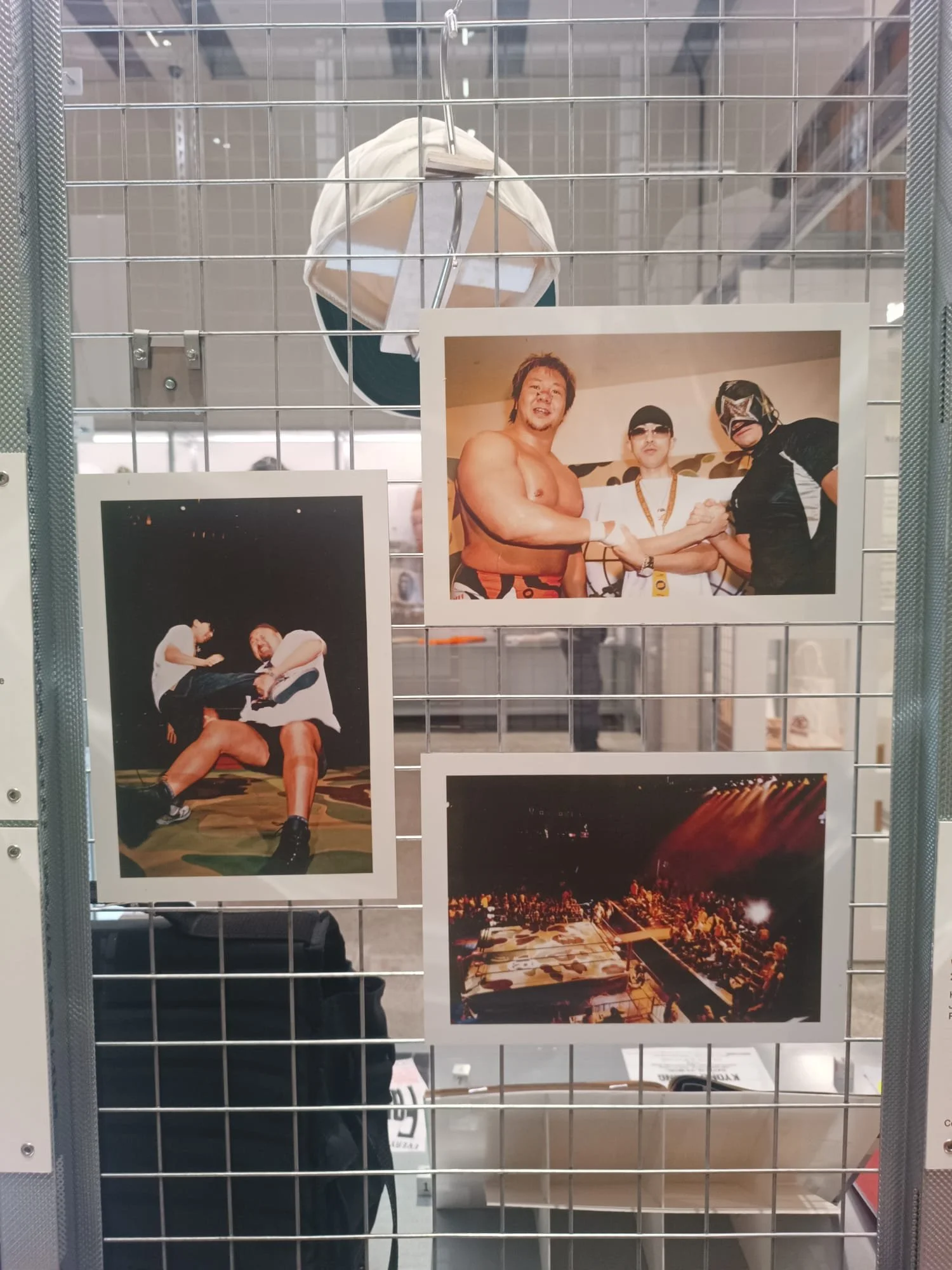
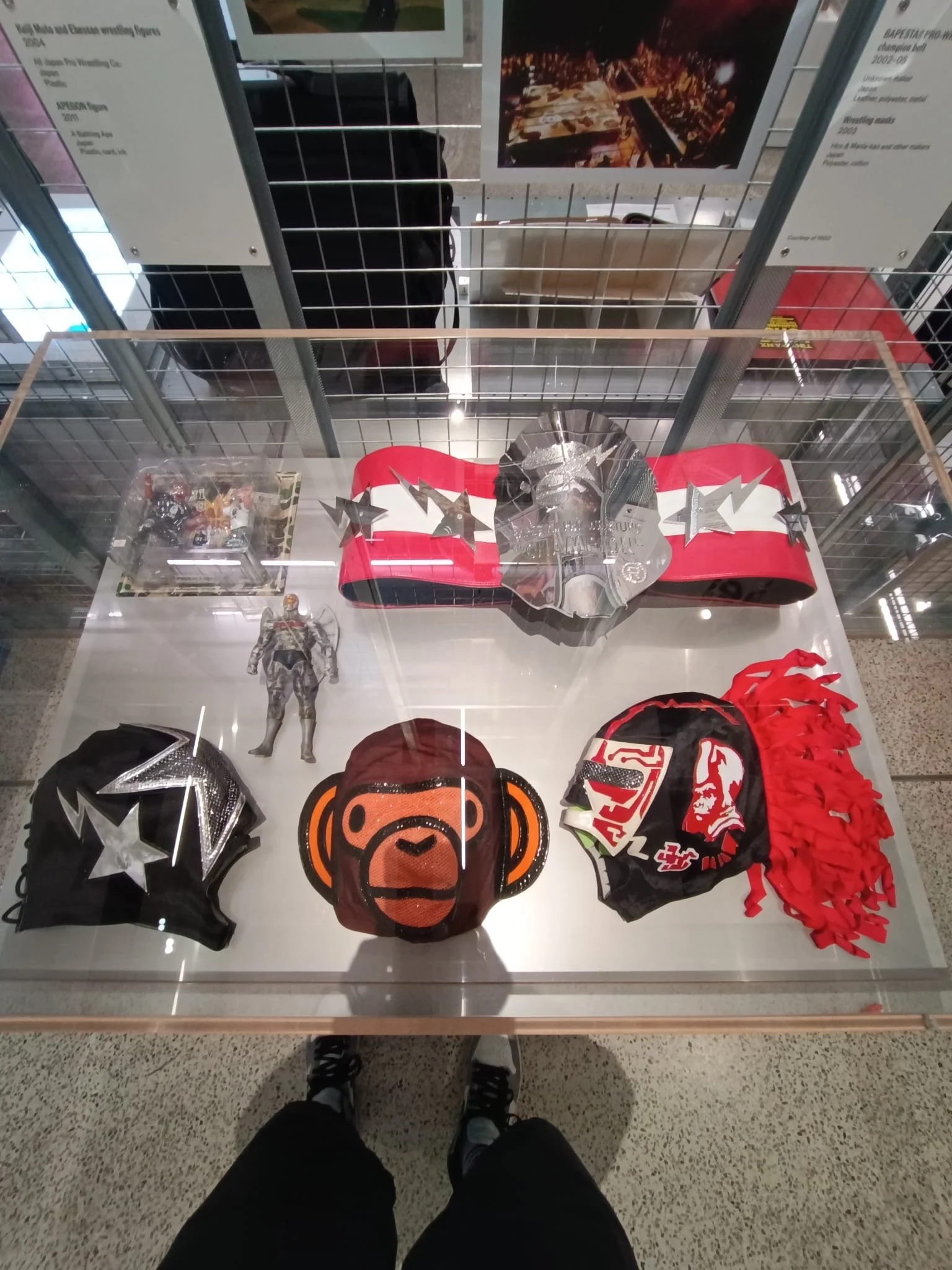
Turns out, in 2002, NIGO didn't just license BAPE's name to a wrestling promotion. He didn't slap a print on a shirt and call it a collab. He put BAPE inside the ring. Physically. The camouflage pattern covered the ring canvas itself. His music played at the events. He sat at the commentary table.
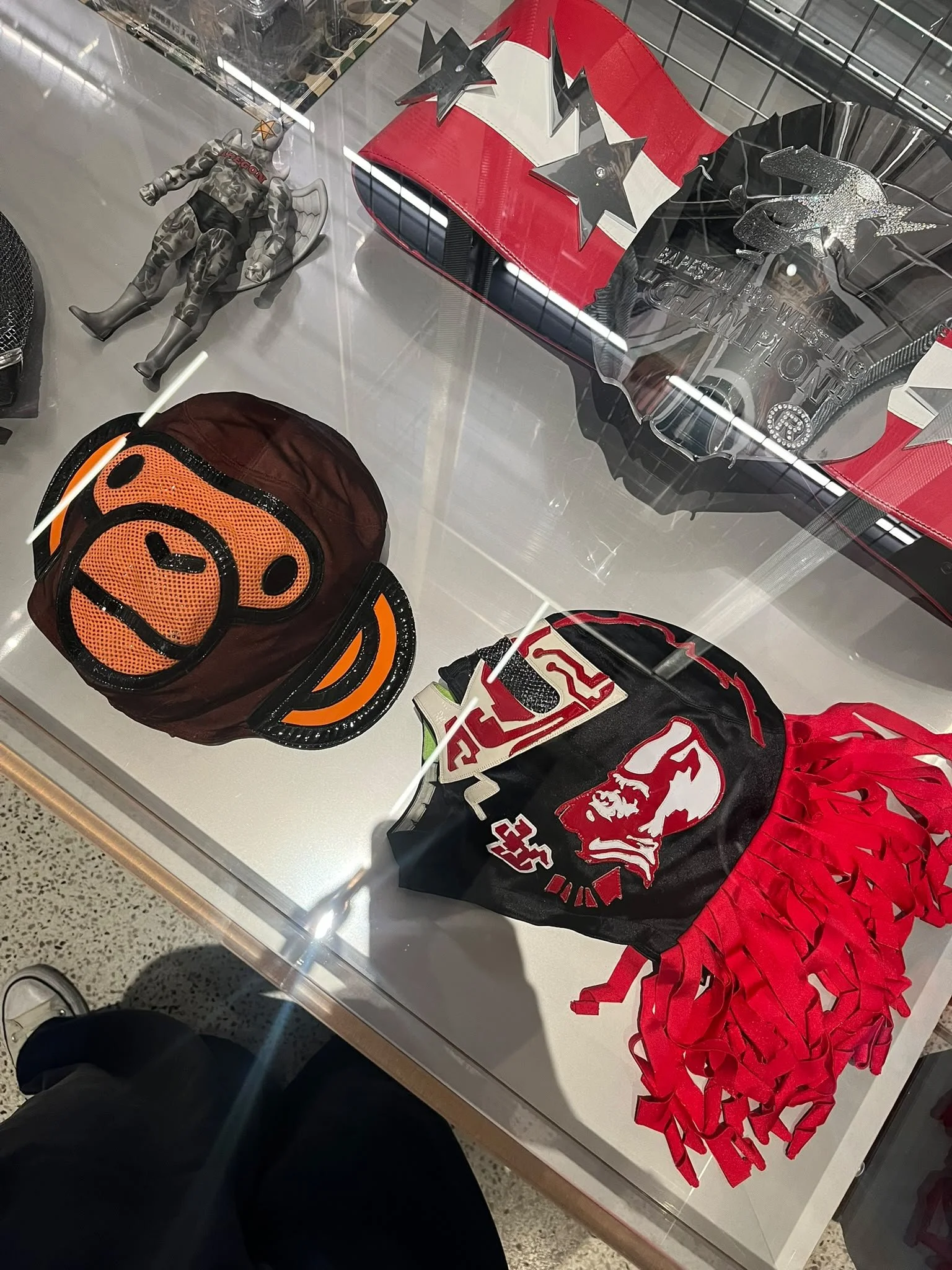
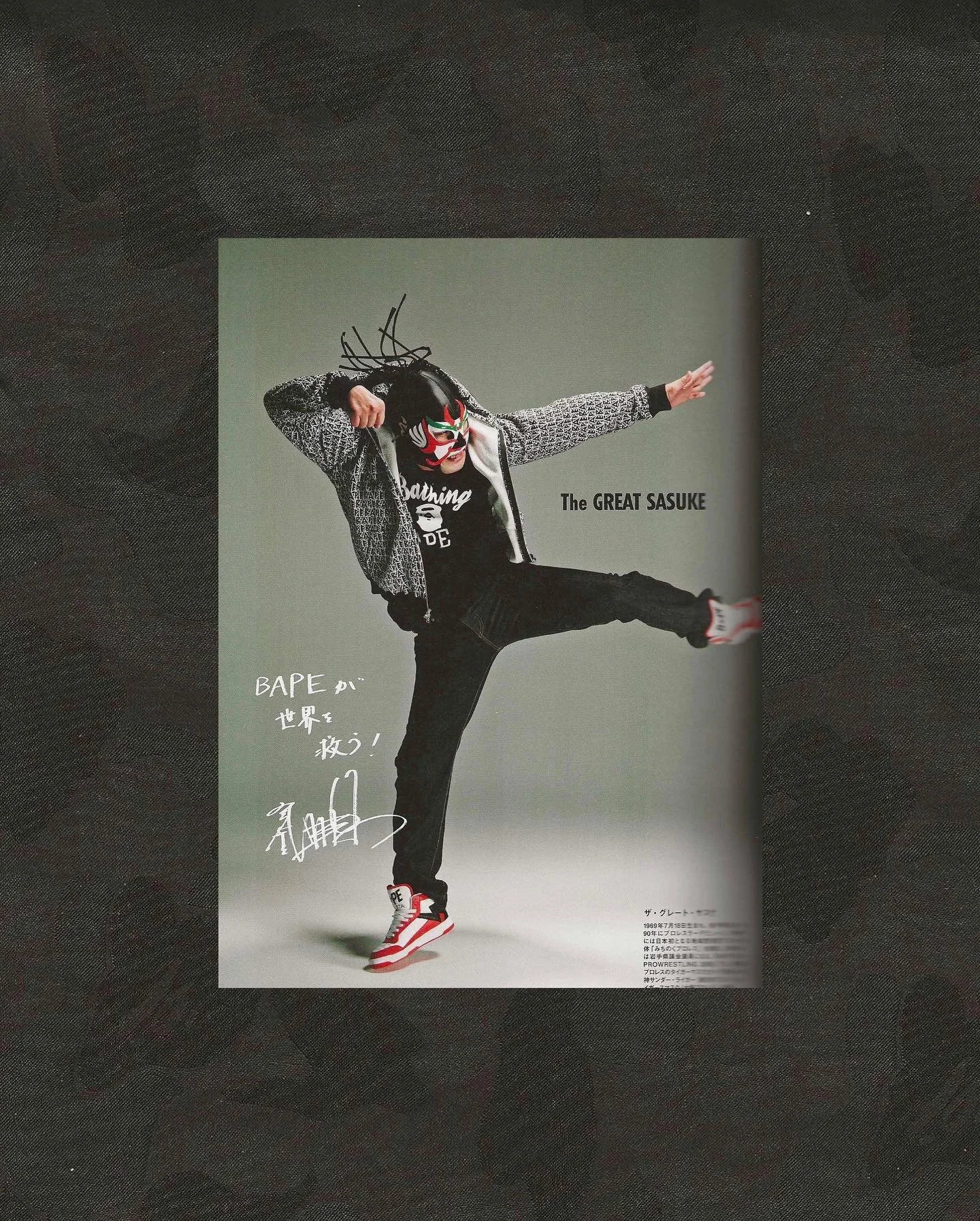
And then he went further: he created a character. THE APEMAN, a masked wrestler built as the in-ring incarnation of the brand. Full events, multiple masks, the entire aesthetic of BAPE translated into a wrestling presentation rather than just printed onto one.
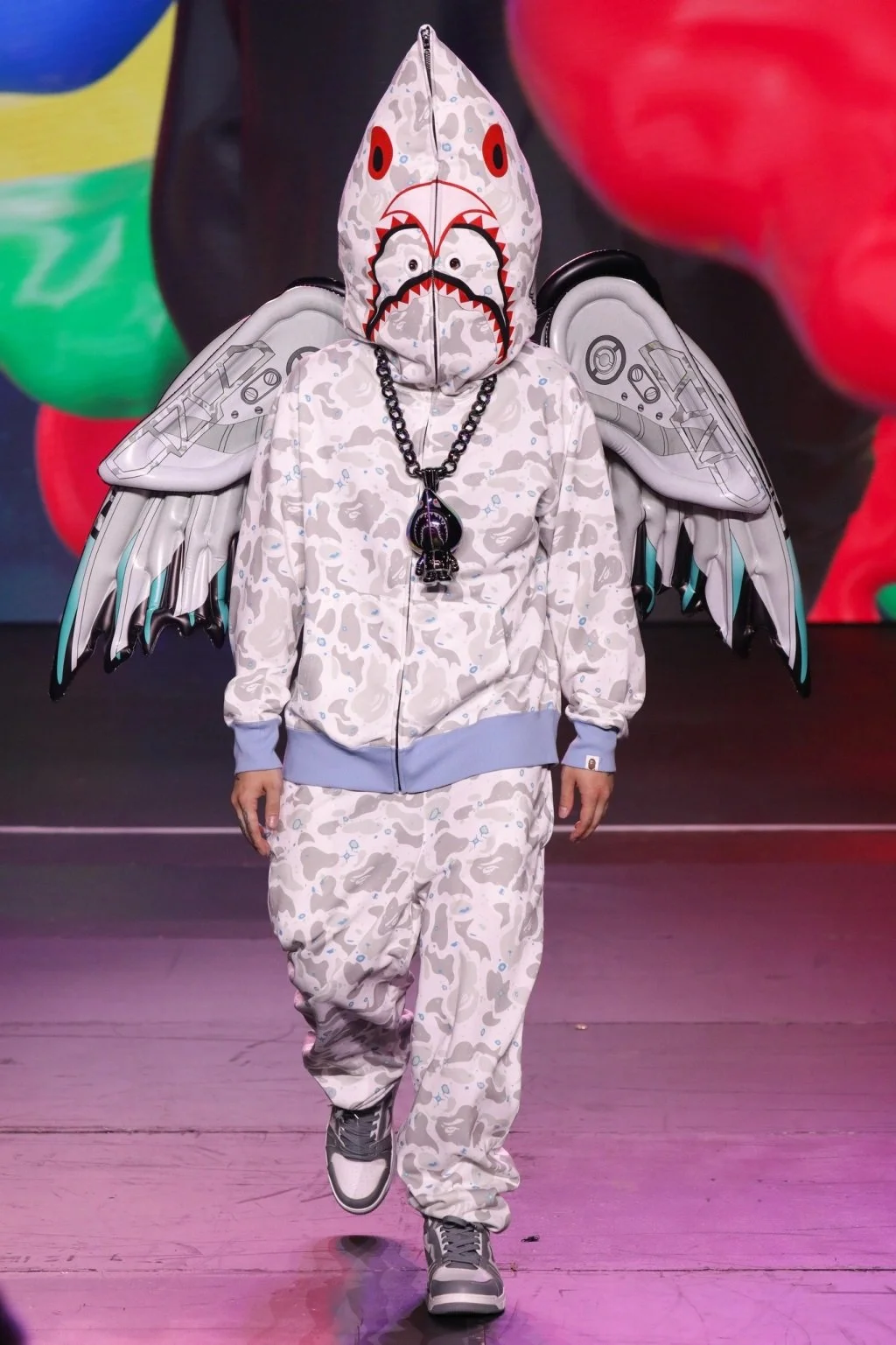
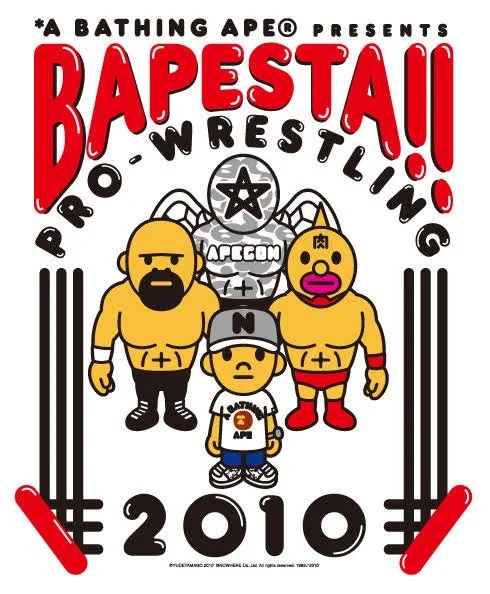
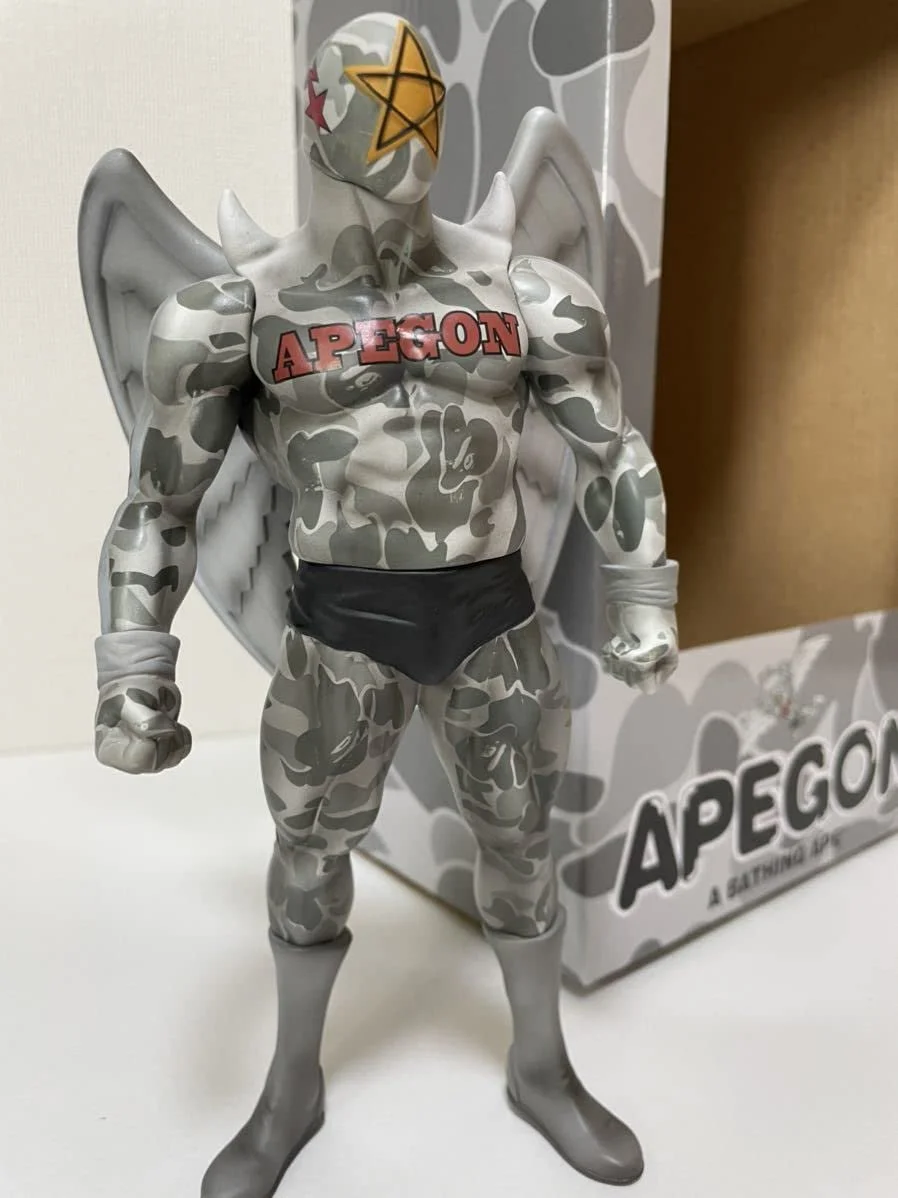
In 2010, he pushed it again. He partnered with the creators of Kinnikuman, a manga literally built around professional wrestling and masked characters, and together they designed APEGON: wings, a mythology borrowed from one of Kinnikuman's own classic characters, and a design language that fused streetwear with manga iconography.
APEGON didn't stay on paper. He debuted for real, in the ring, at Korakuen Hall. He teamed with Satoshi Kojima and won the match with a moonsault.
Invading a World vs. Understanding One
Here's the part that actually matters, and the reason I'm writing this instead of just posting a fun fact.
Most brands that try to cross into wrestling design a product about wrestling. A themed shirt. A wrestling-flavored version of something they already make. NIGO didn't do that. He didn't design a shirt with a wrestling theme on it. He designed a character wrestling could actually believe in. A character built with the same internal logic every wrestling character needs: a name, a mask, a story, a reason to be in that ring at all.
That's the line between invading a world and understanding it.
And it wasn't a one-way transaction. Keiji Mutoh, president of All Japan Pro Wrestling at the time, said openly that he was learning from NIGO, specifically about how to take the promotion and Japanese wrestling culture outside of Japan. The designer wasn't just borrowing wrestling's audience. The promotion was borrowing his instincts about branding, hype, and cultural reach.
Why This Still Matters
So when a brand fails to crack wrestling today, it's rarely because "wrestling is a hard world to enter." It's because they tried to bend wrestling to fit their brand, instead of bending their brand to fit wrestling.
NIGO didn't dilute what BAPE was to make this work. He adapted it: his read on streetwear, on street culture, on how a visual identity builds a following, and translated all of it into wrestling's own language: characters, masks, mythology, spectacle. The brand moved. Wrestling didn't have to.
Twenty years later, that same instinct shows up everywhere. Modern promotions like Sukeban are built explicitly at the intersection of wrestling, fashion, and character work. Wrestlers today, AEW's Lee Moriarty among them, cite BAPE directly as an influence on how they built their own in-ring identity. The blueprint NIGO left in 2002 didn't stay in 2002.
The Actual Takeaway
This isn't just a design-history footnote. It's a working principle, whether you're a brand eyeing a wrestling collab or a wrestler building your own gimmick.
Your gimmick, your ideology, whatever you're selling to the audience, it has to adapt to the world it's entering. Not the other way around. Learn the room before you try to remix it. Understand what wrestling actually is before you decide how your brand fits inside it.
That's the difference between a logo and a character. And it's the difference between a collab that gets forgotten and one that leaves a mark twenty years later.
