
Quick answer: your gear doesn't need a bigger budget. It needs a clearer concept. Understand your character's identity first, and the material choices, fabric, color, pieces, follow naturally, whether you're working with $20 or $2,000.
A question came through the comments recently, and it's one almost every wrestler on a debut run eventually asks: how do you look legit in the ring when you've got next to no money to spend on gear?
It's a fair question. And it's one I lived through myself.
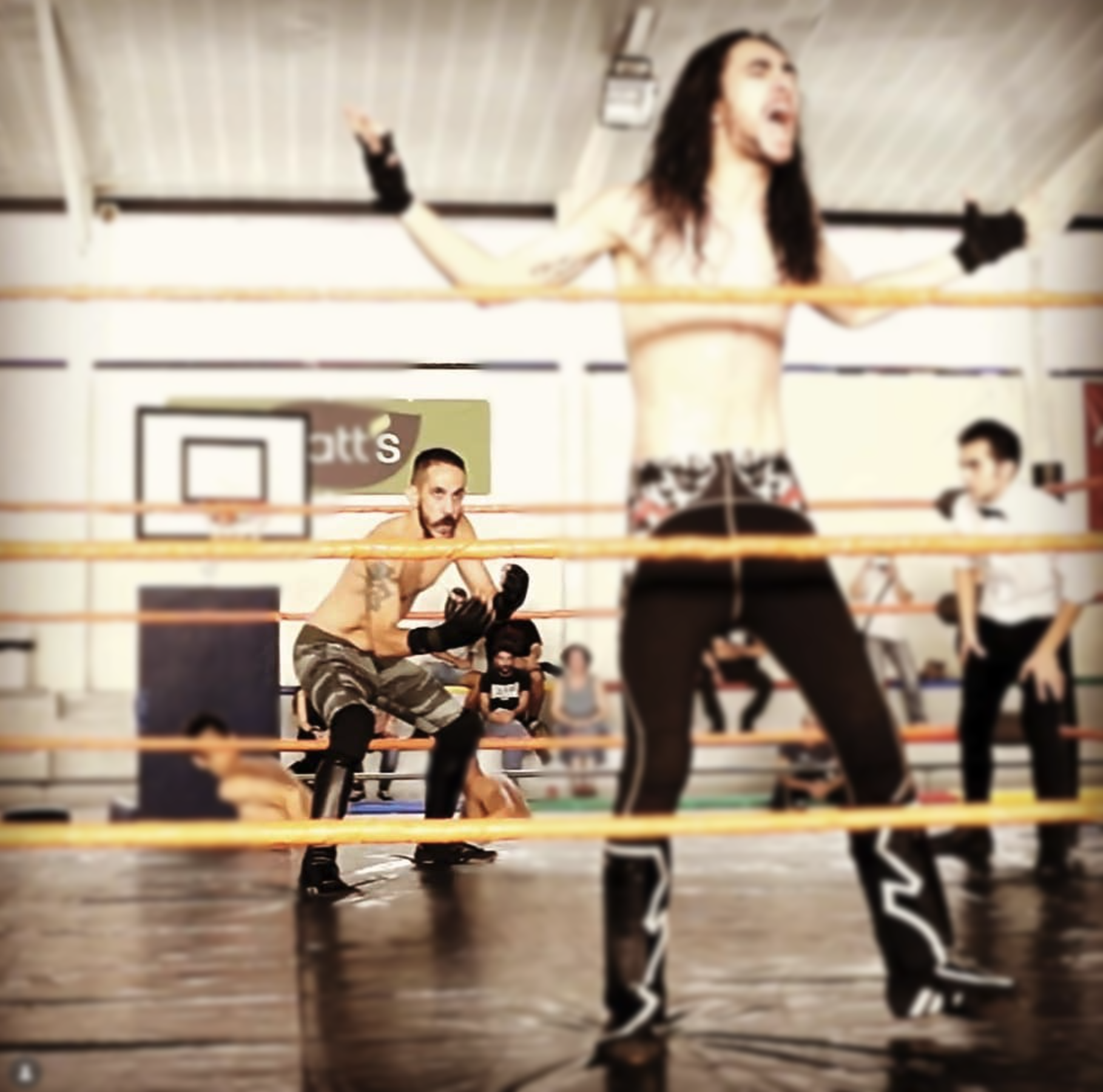
My first gear came from the women's section of Decathlon
Not because of a gimmick. The men's section only carried black leggings, and the concept I had in mind needed color. So I went hunting in the women's section instead, and found something closer to what the character needed: jungle camo leggings.
That decision set the tone for everything else I built after it.
It's not about money, it's about identity
Here's the part nobody tells you when you're starting out: the budget isn't the real obstacle. Not knowing who you are is.
Before you buy or build a single piece of gear, you need to understand the character you're putting in the ring. Once that's locked in, the rest of the decisions get a lot easier, because you're no longer choosing based on what looks cool. You're choosing based on what fits the story.
Spider-Man's original barebones suit is a good reference point here. Limited skills, limited materials, but the color scheme was there. The intention was there. You knew exactly who he was, even in the roughest version of the costume.
Building the "Frankenstein" starter kit
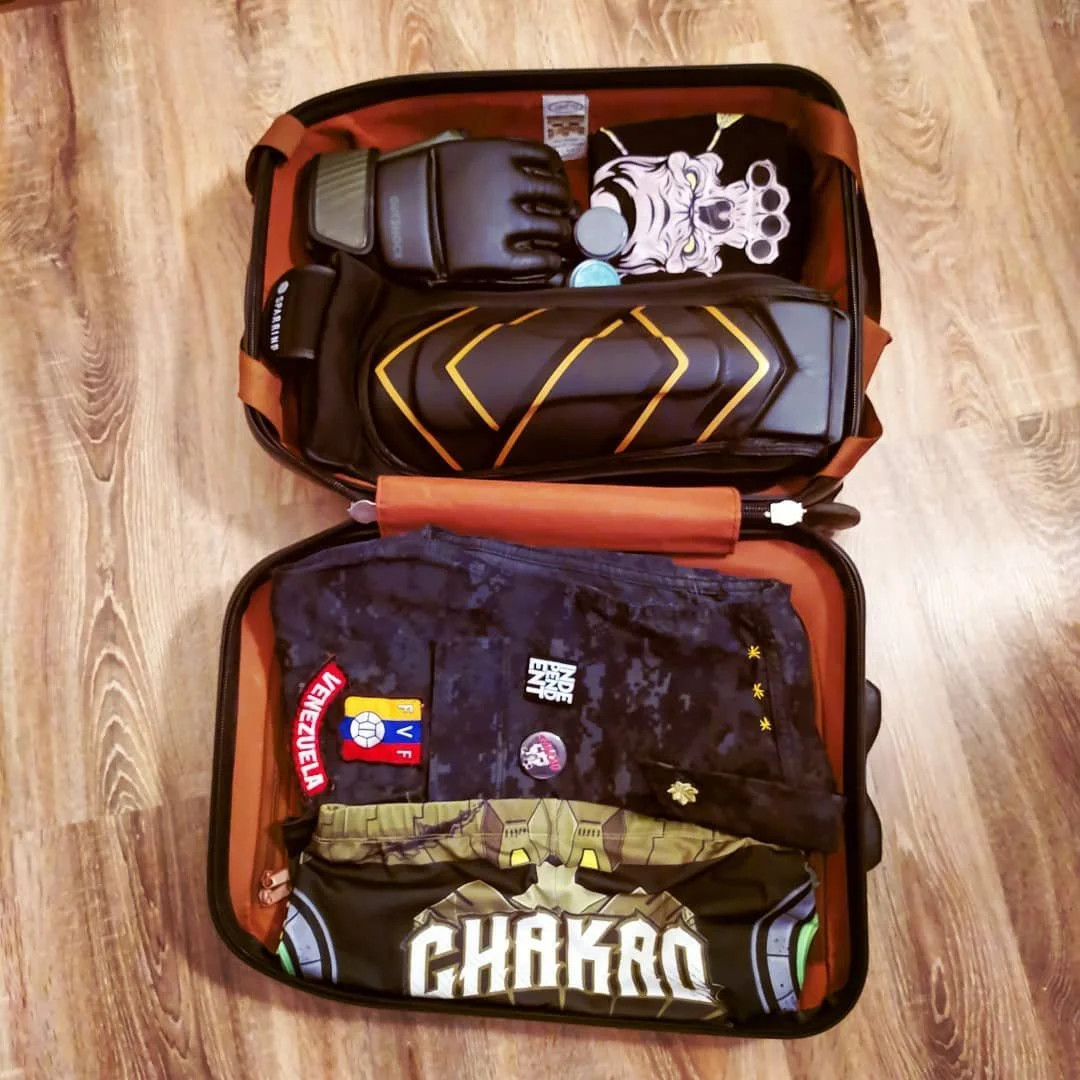
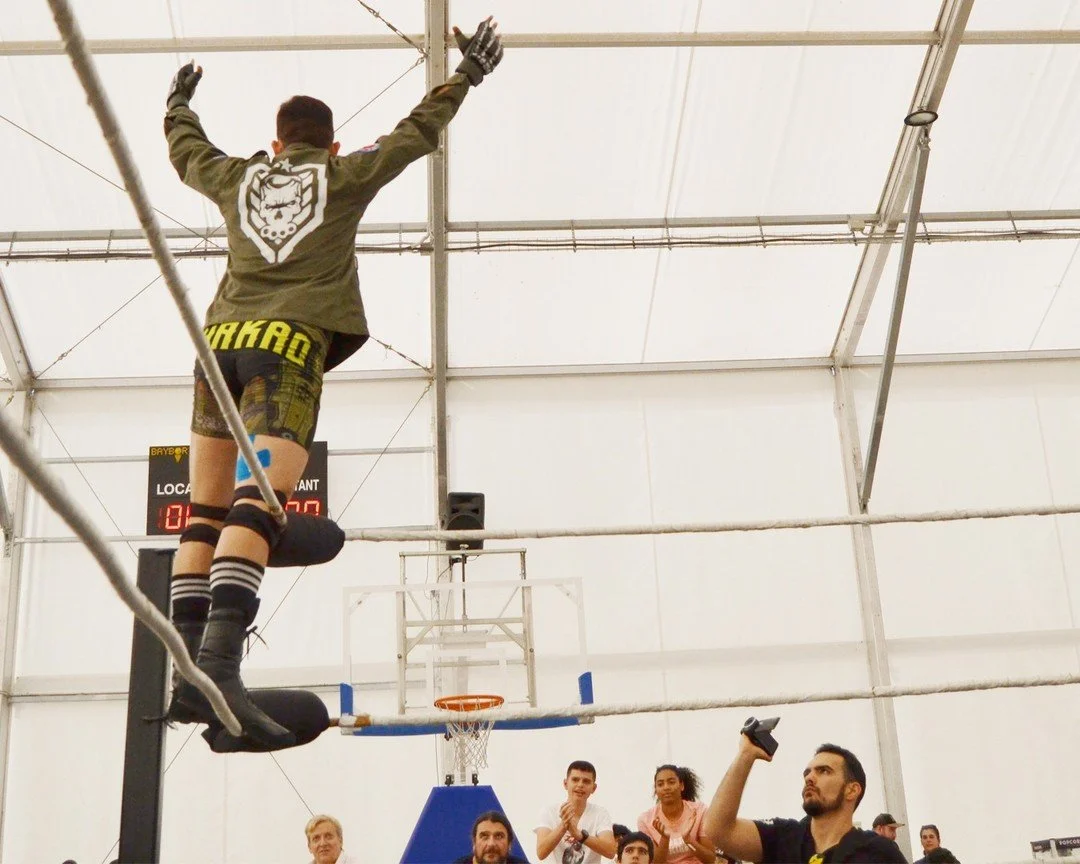
With the concept set (looking straight out of the army barracks, i was leaning on my army background for my gimmick), here's how the rest of my first gear came together, piece by piece.
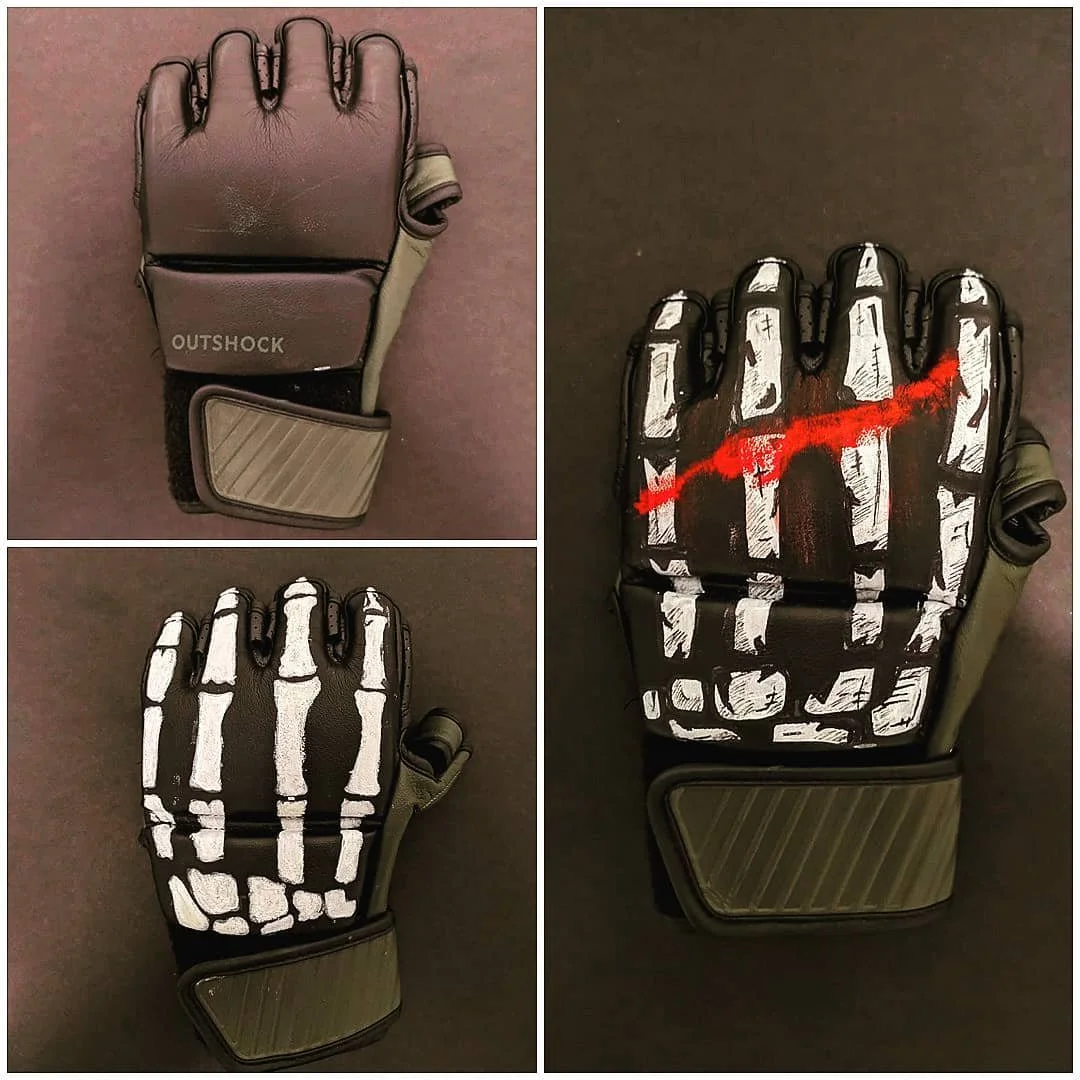
Kickpads: bought from a martial arts store, then spray-painted myself to match the military theme I was going for.
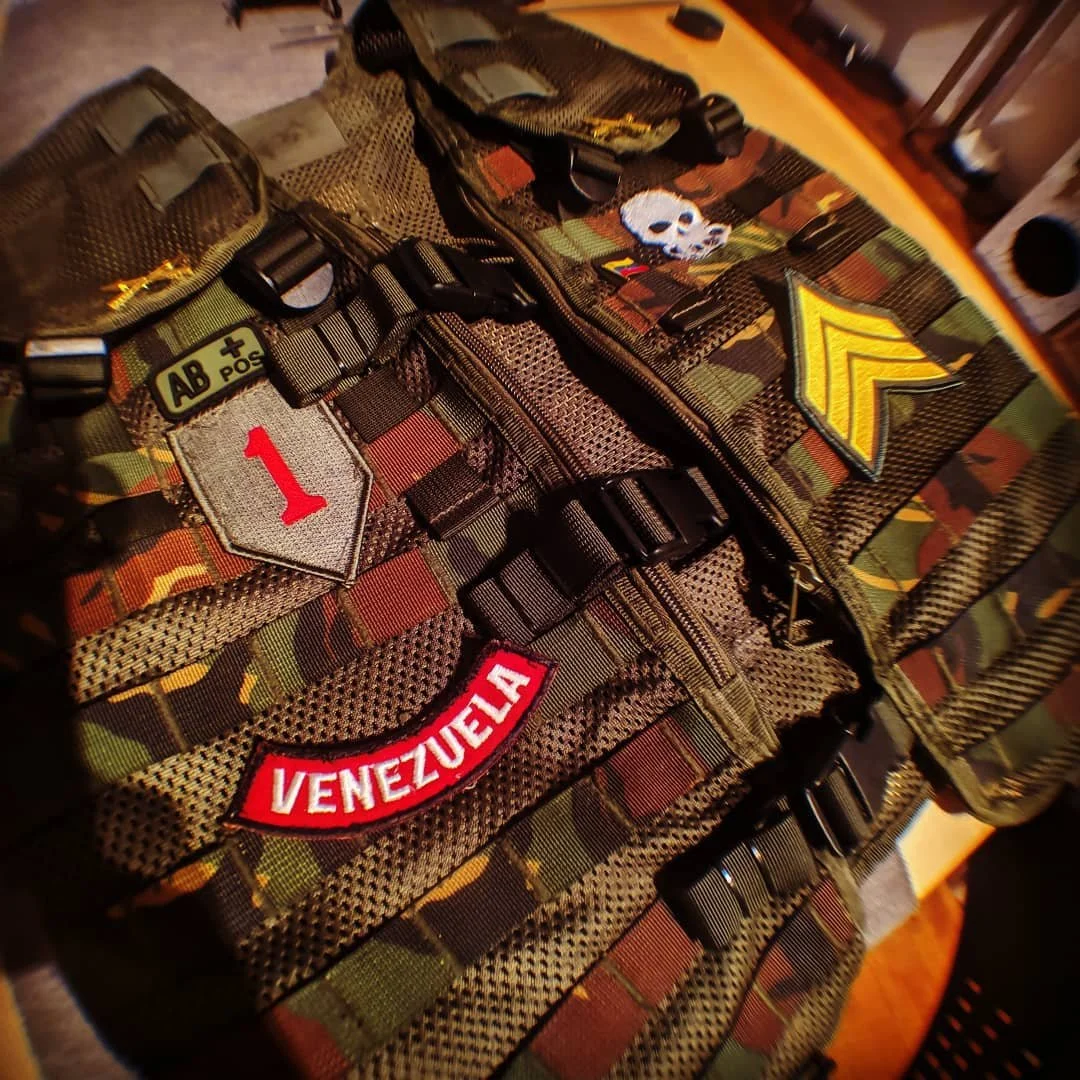
Entrance jacket: my old army jacket, modified. More flash, more showbiz than its original use.
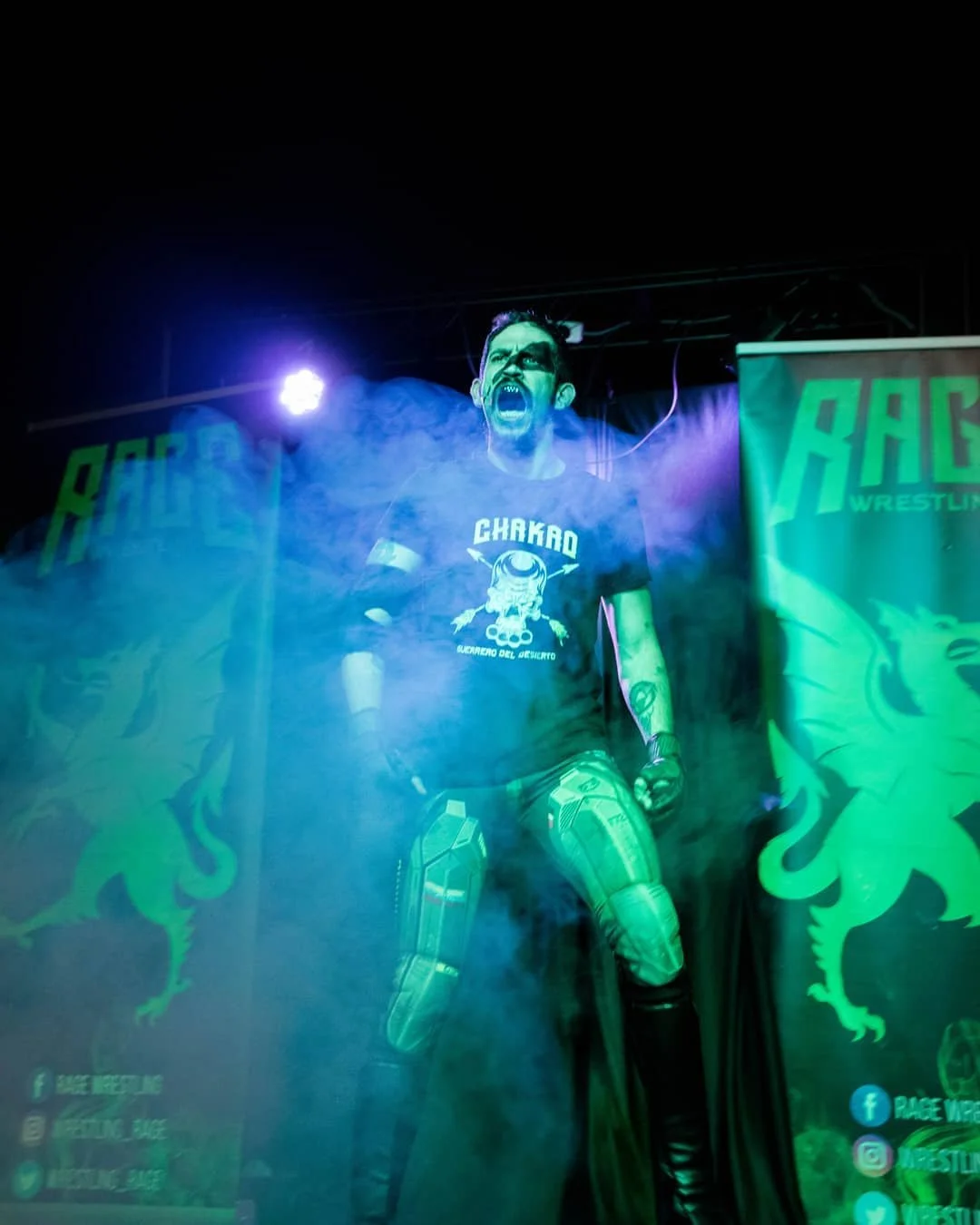
Name on the tights: I didn't know how to sew lettering into fabric, so I printed my name and logo on a shirt instead. The name still made it to the ring on the walk-in.
None of these pieces were expensive. All of them were intentional.
What John Cena, Darby Allin and Orange Cassidy prove about "basic" gear
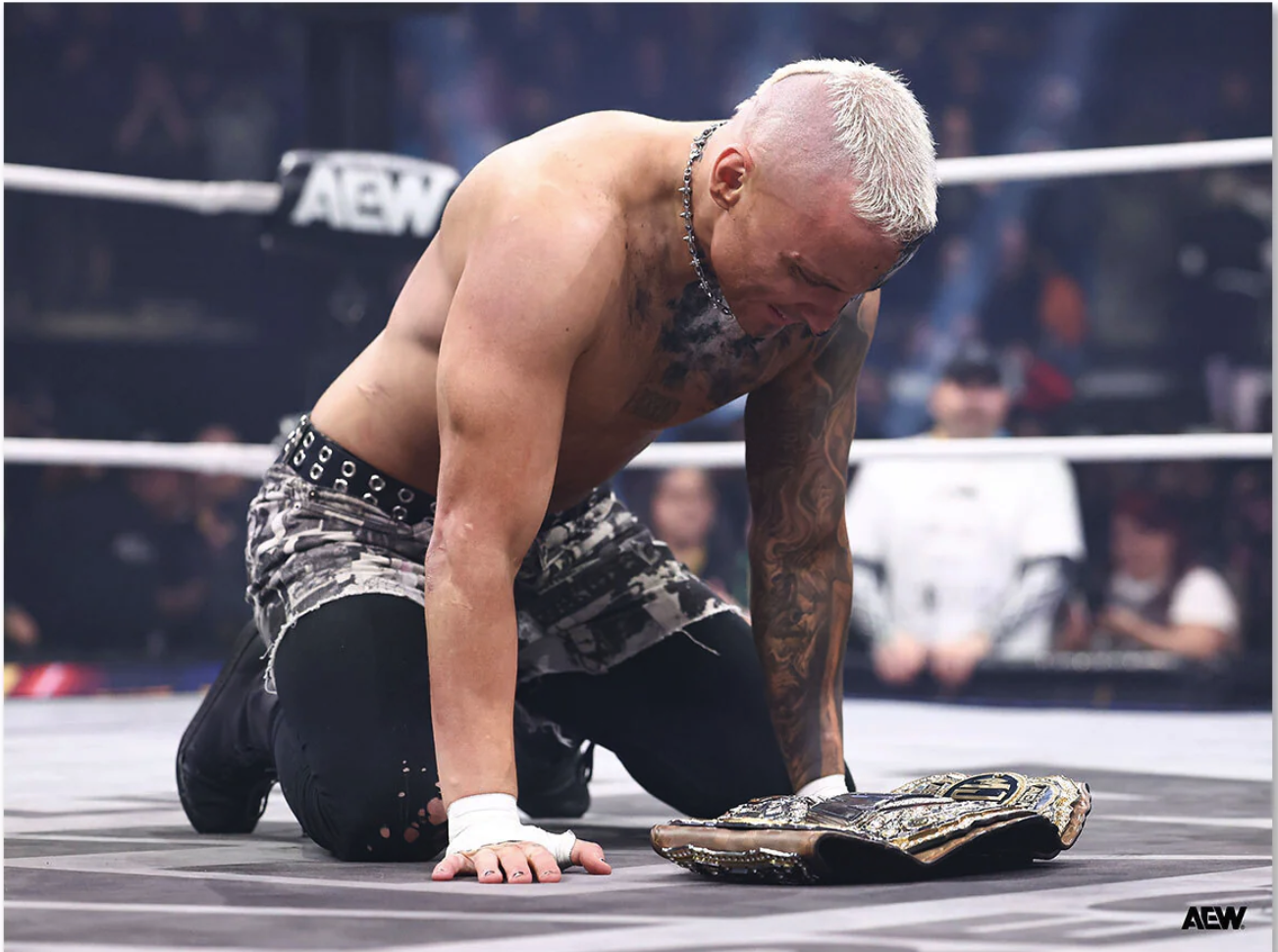
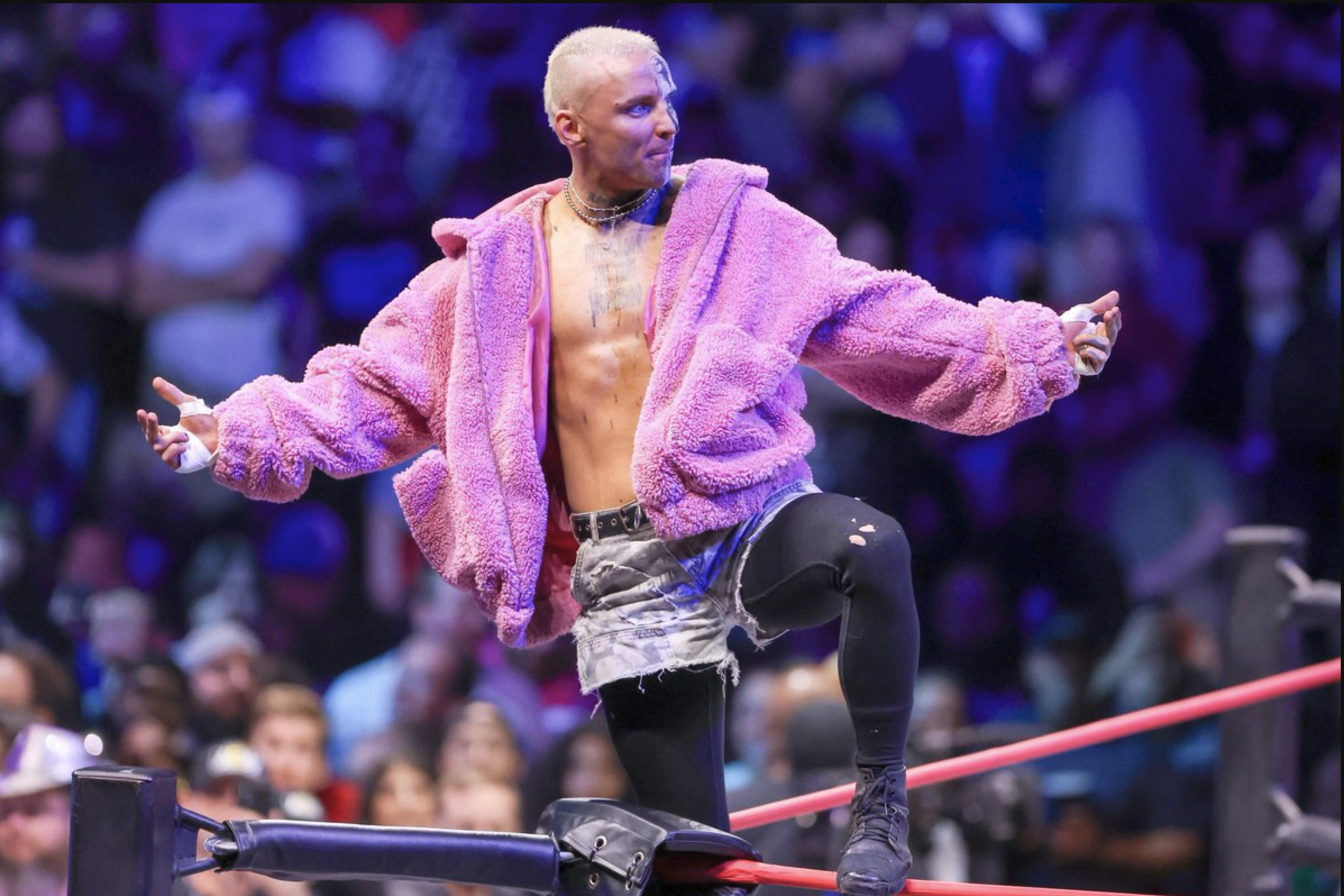
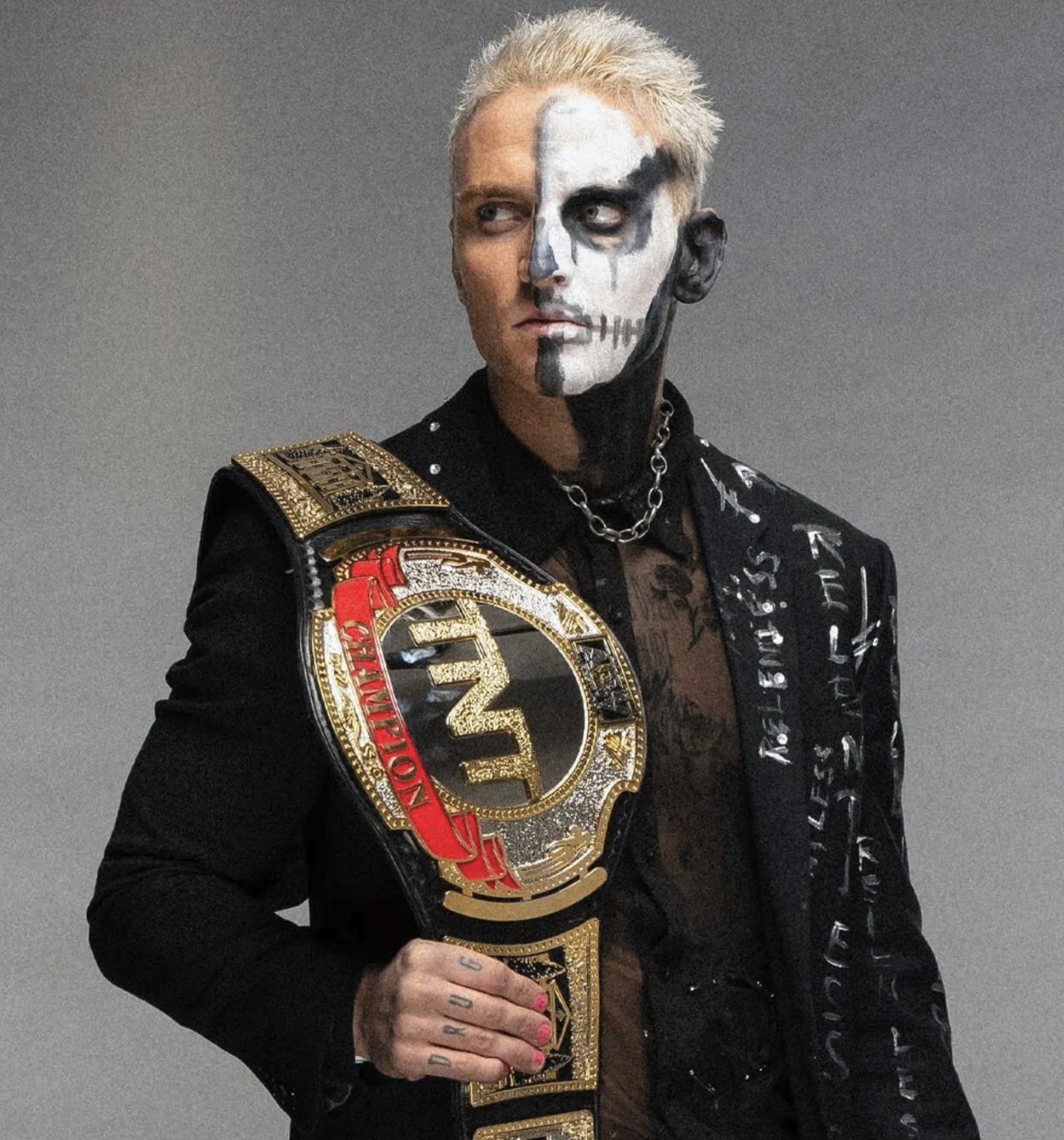
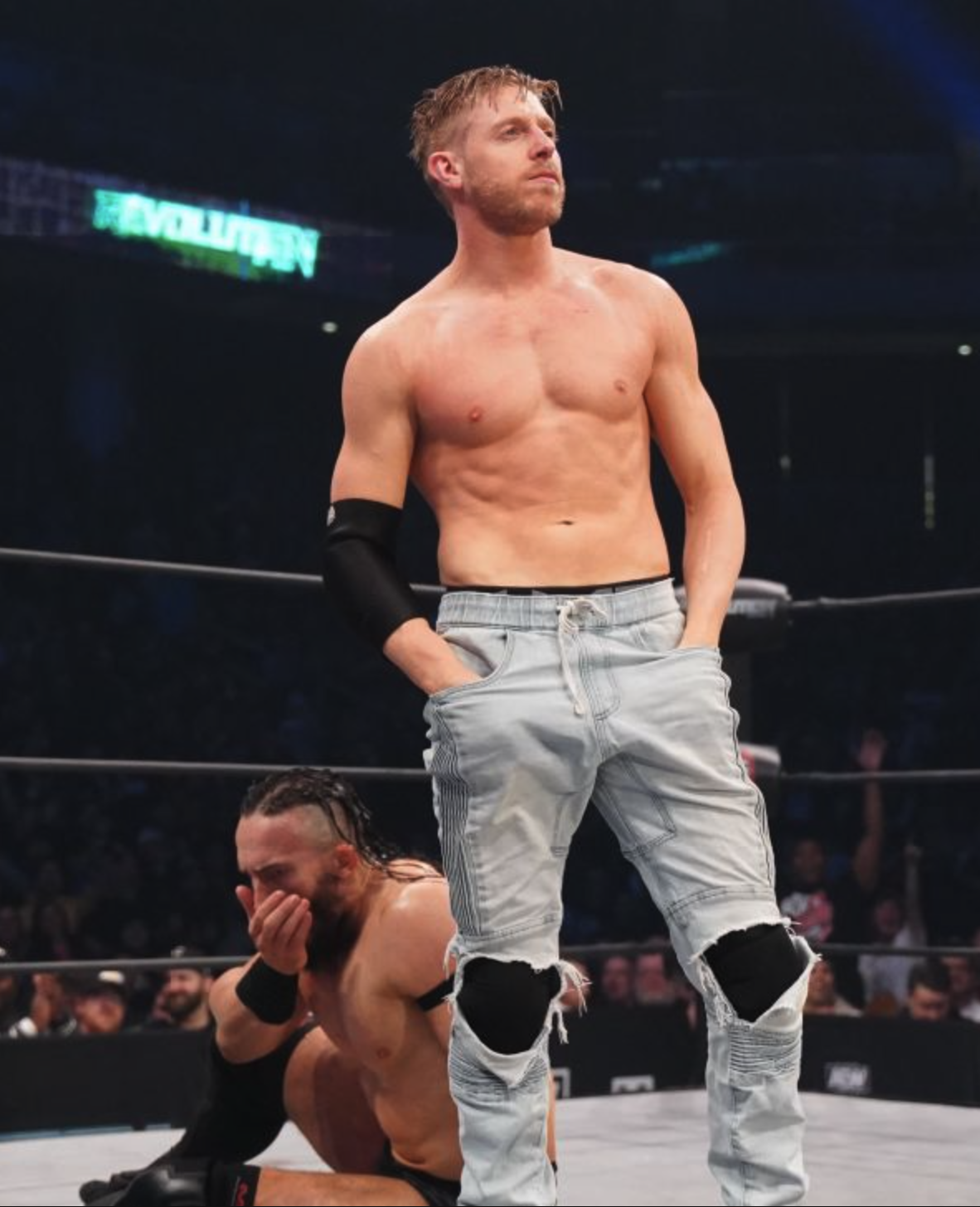
Look at the big leagues and you'll find two of the most stripped-down gear looks in wrestling today: Darby Allin and Orange Cassidy. Neither one is flashy. Both work.
Orange Cassidy plays a wrestler who looks like he can't be bothered to take any of this seriously. But here's the trick: he does. The blue denim, the deadpan expression, the titantron, the merch, every piece of it lines up with the character. Nothing about it reads as an accident.
Darby Allin is the opposite kind of proof. You never think about his gear. You think about the reckless, unorthodox way he wrestles. His gear isn't designed to be the story, his in-ring style is. He doesn't dress like a regular wrestler, because he isn't one.
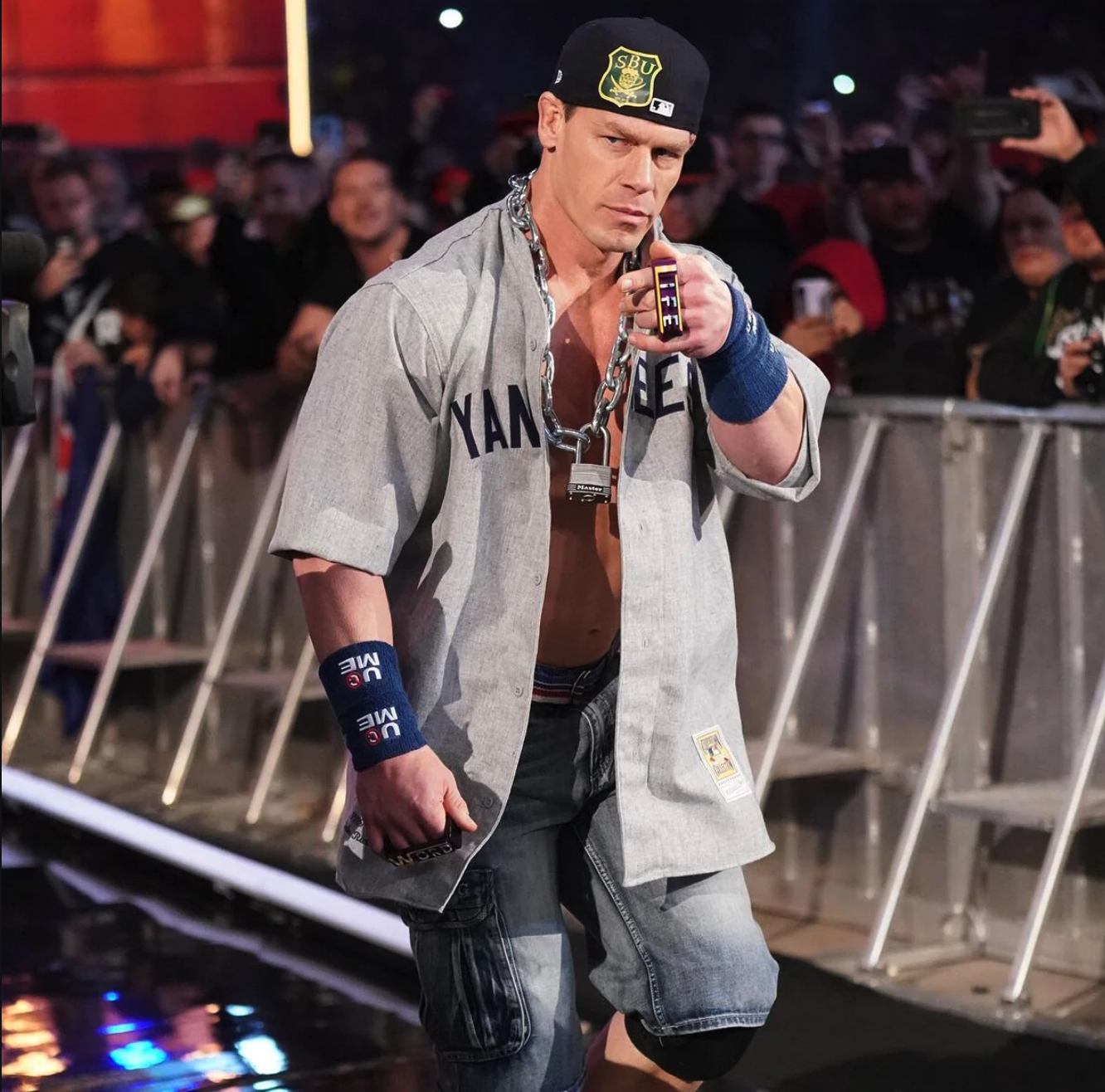
John Cena is a different kind of case study. He started out with the "legit" wrestling look: biker shorts, boots, the whole prototype-athlete package. It wasn't until he found the Doctor of Thuganomics persona, and switched to jorts, sneakers, and sports jerseys, that he found the style that would define his entire career. The man had a Hall of Fame run in the same pair of jorts.
They are proof of the same rule. Cheap or basic doesn't mean thoughtless. Most people design because it's trendy. The better approach is designing because there's a reason behind it: concept first, budget second.
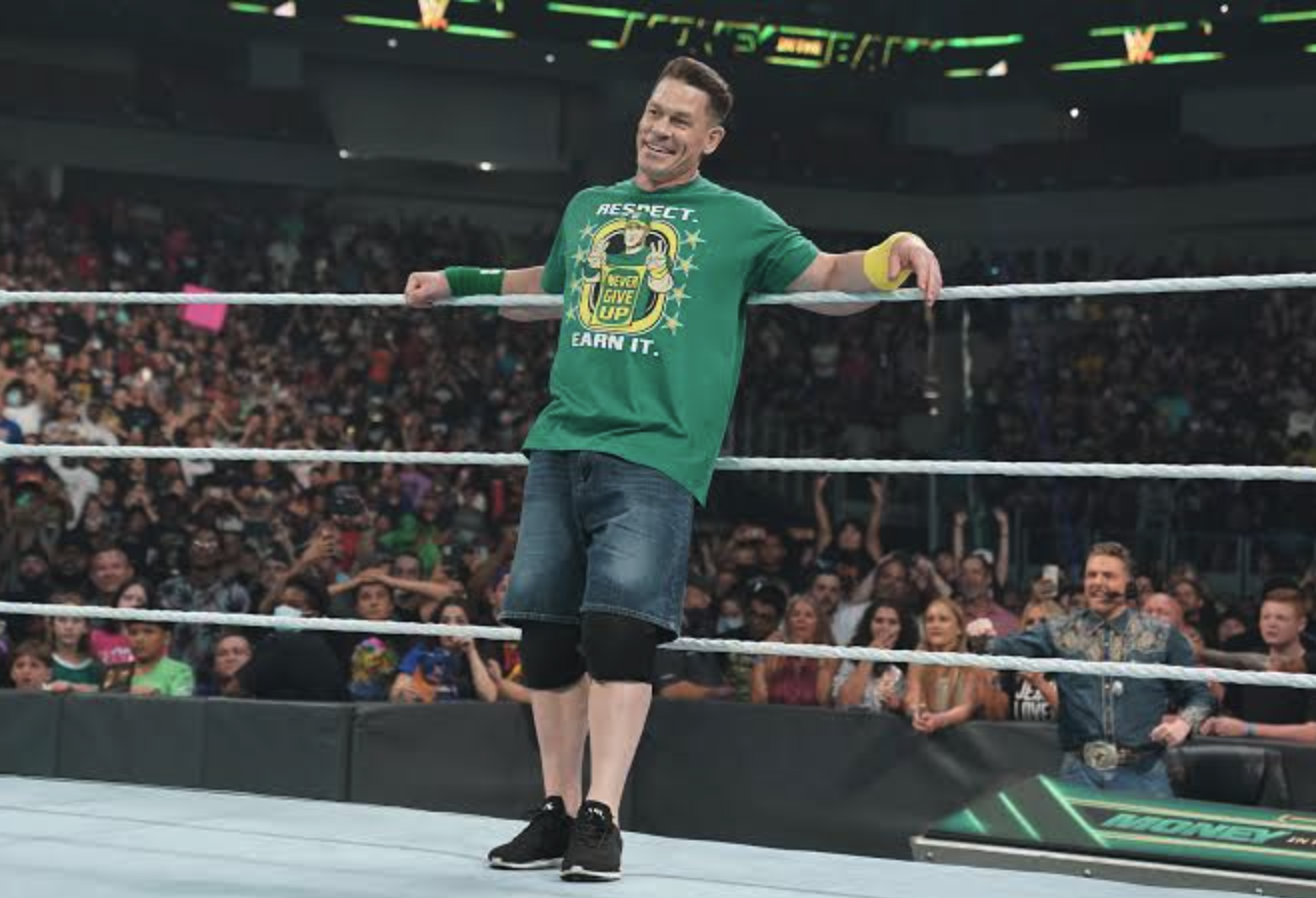
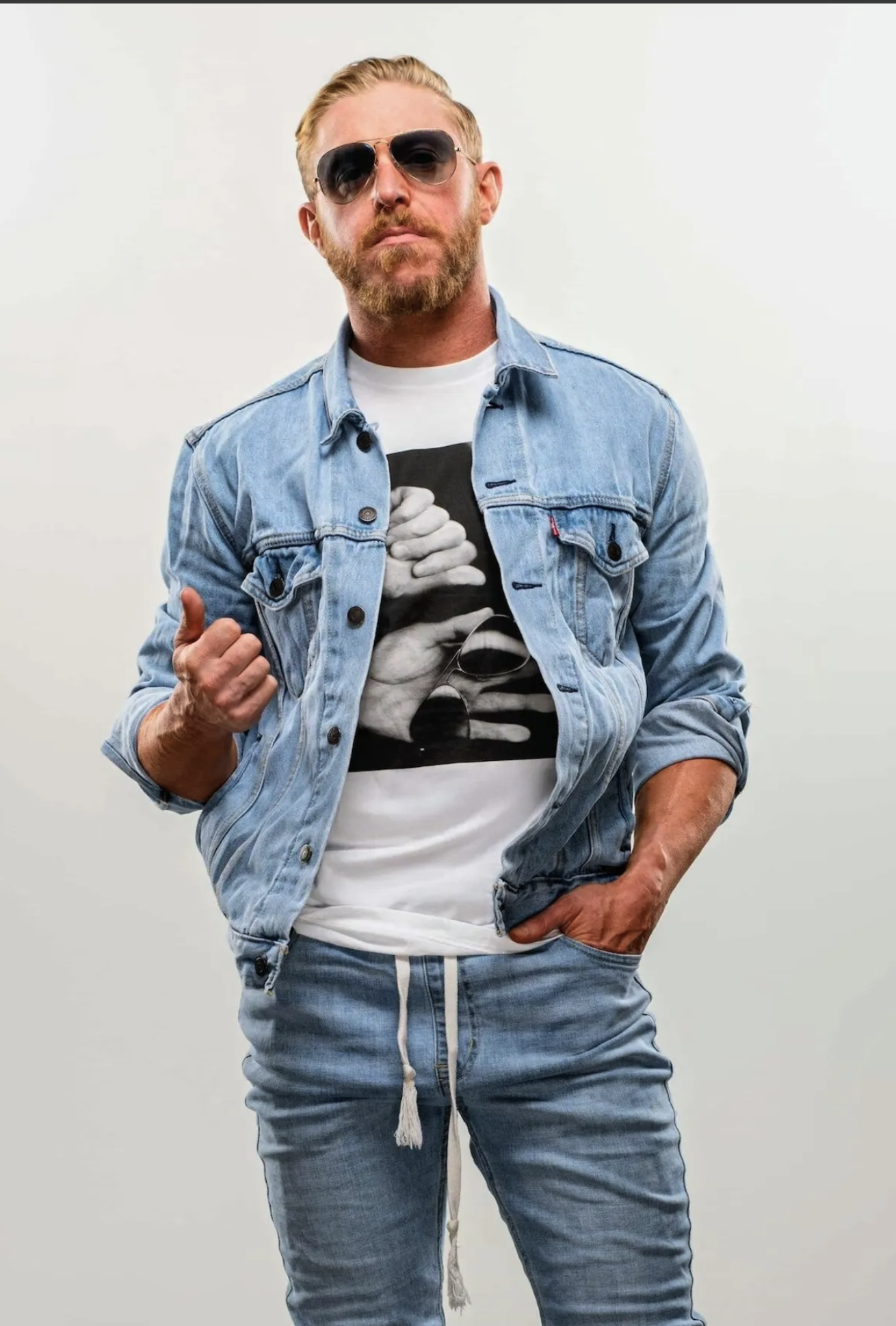
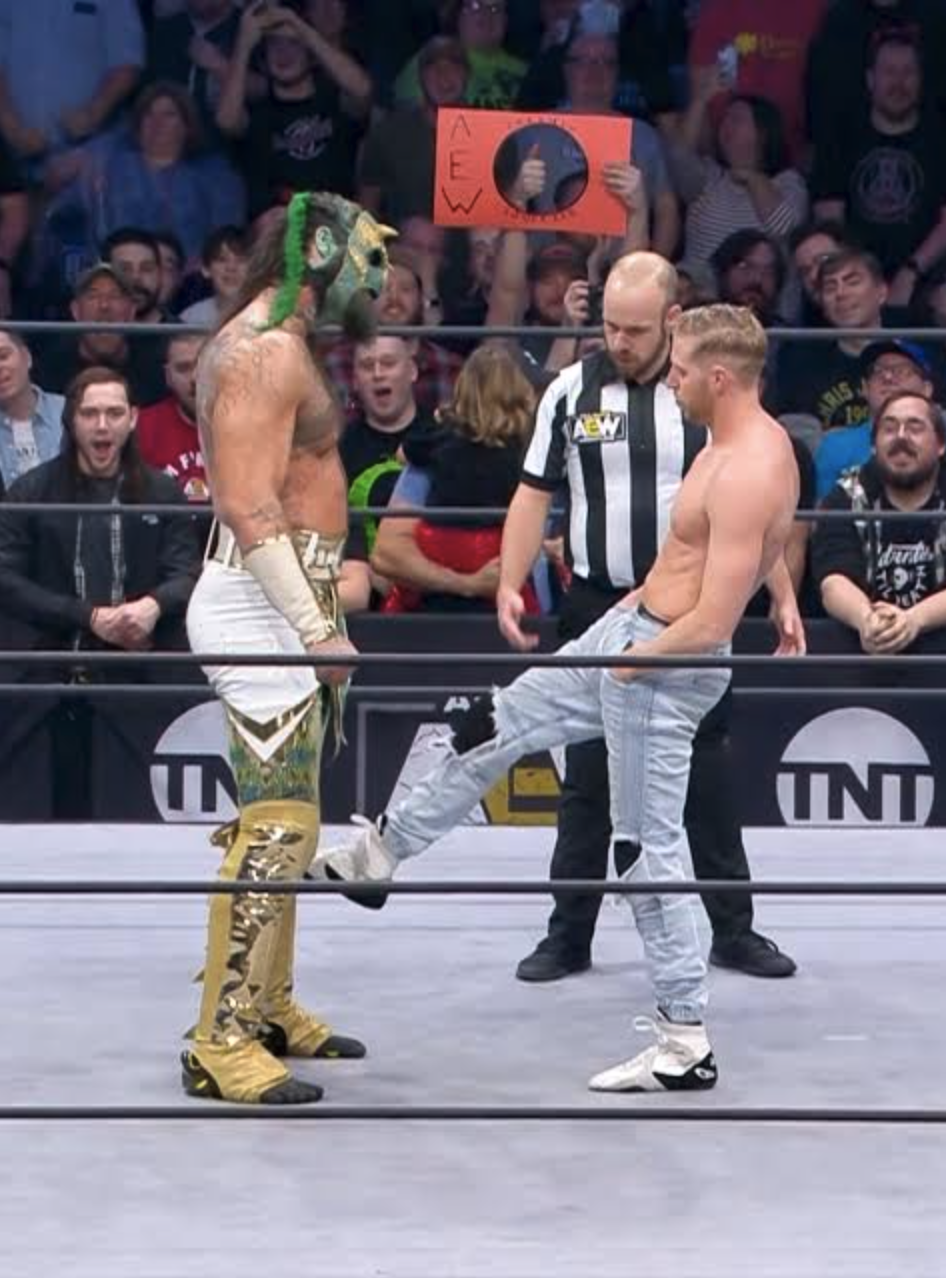
How the gear evolves with the character
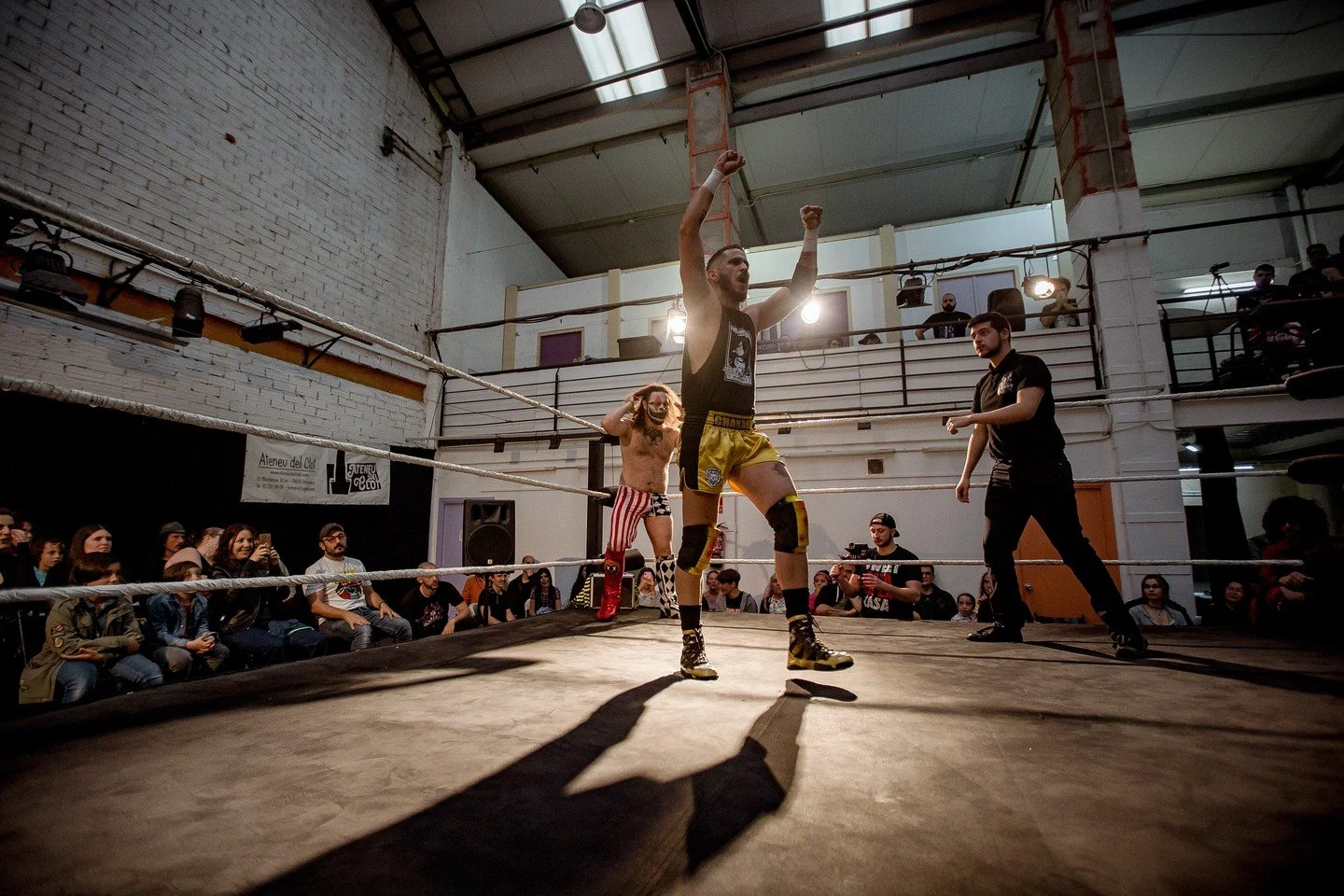
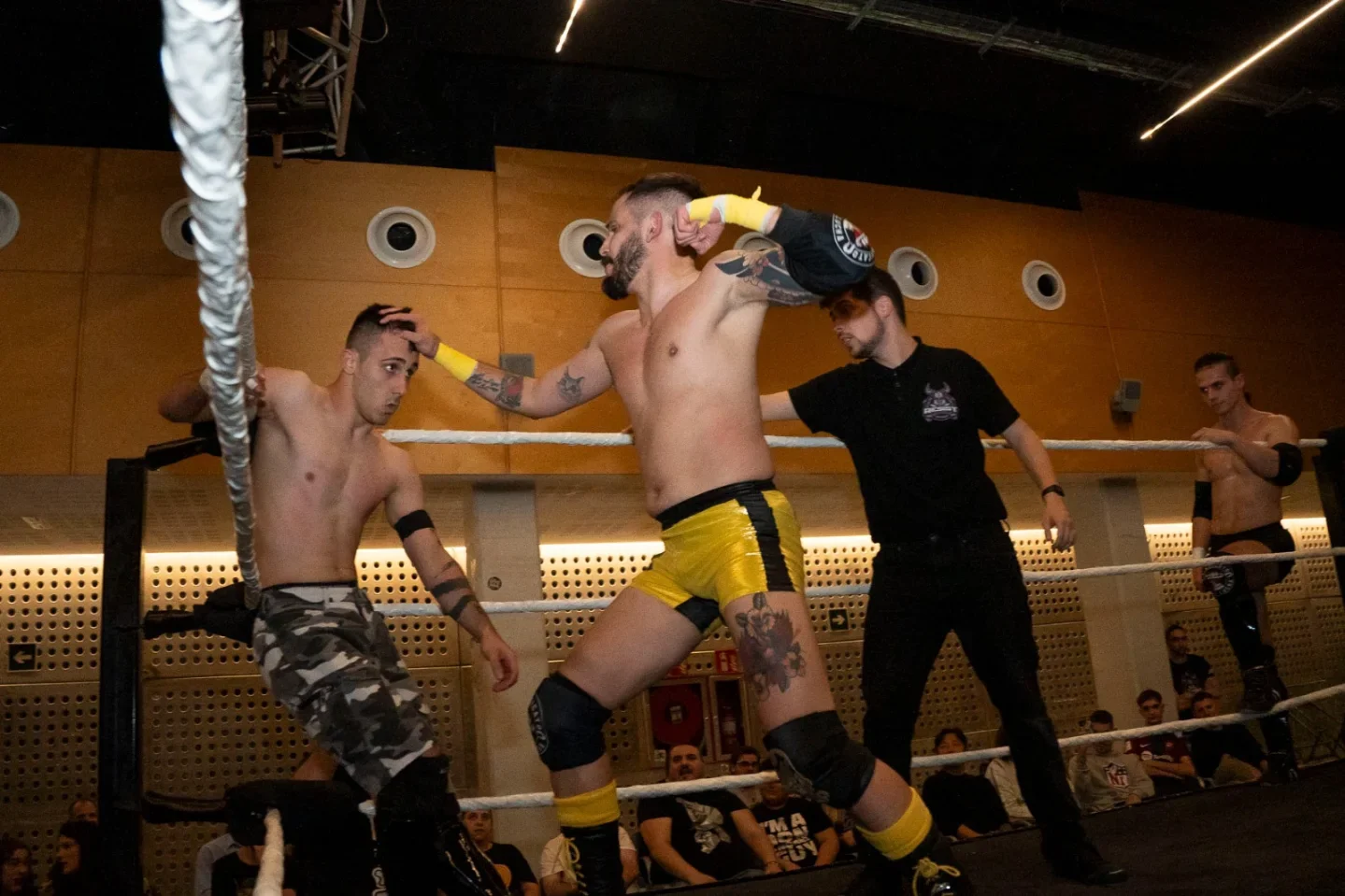
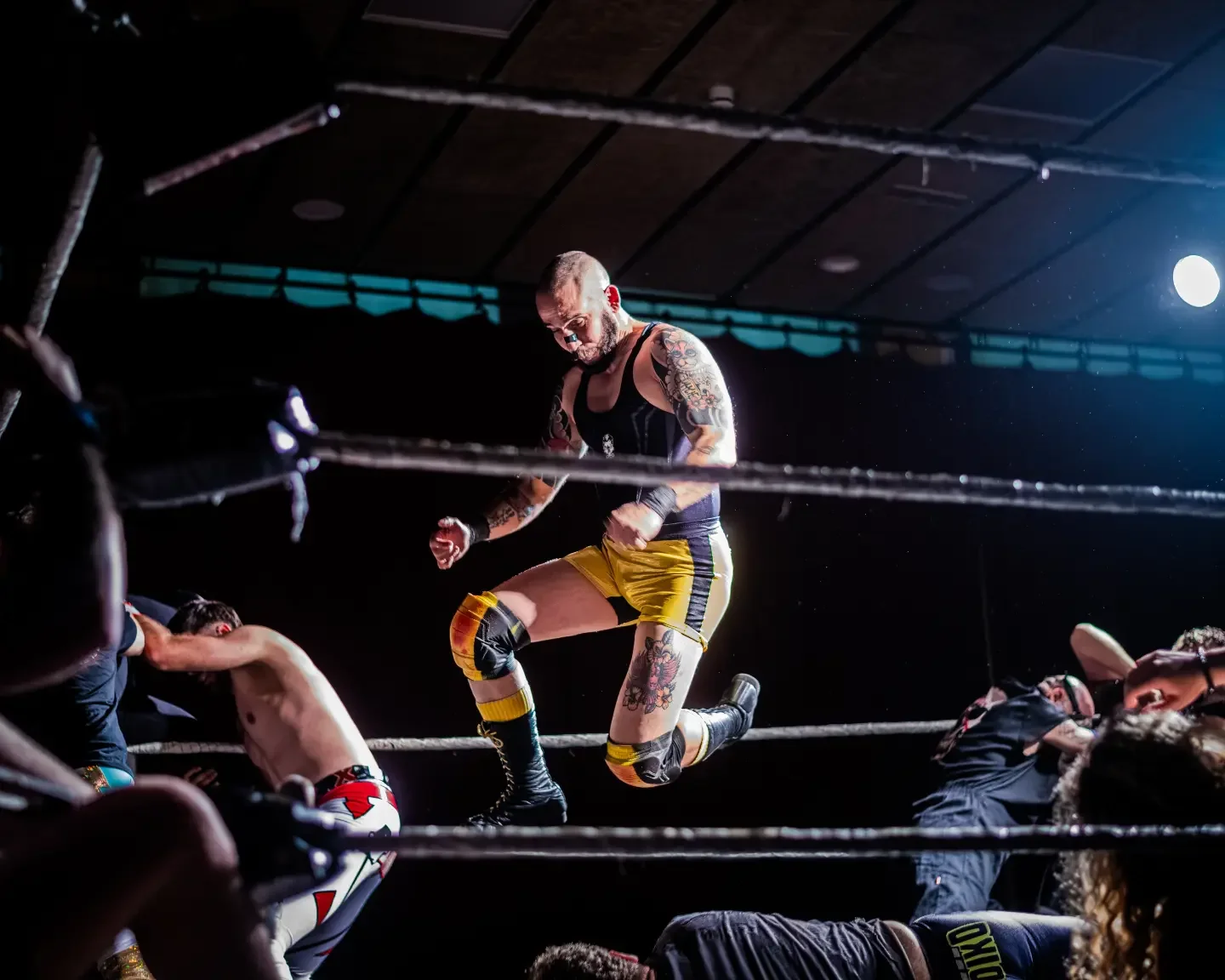
Gear doesn't have to stay static. When my gimmick evolved to lean more into my fighting-sport background, the gear evolved with it. Muay Thai shorts from a Muay Thai shop, boots off Amazon that matched the color palette, football socks in the same colors, and my name printed and sewn on by hand.
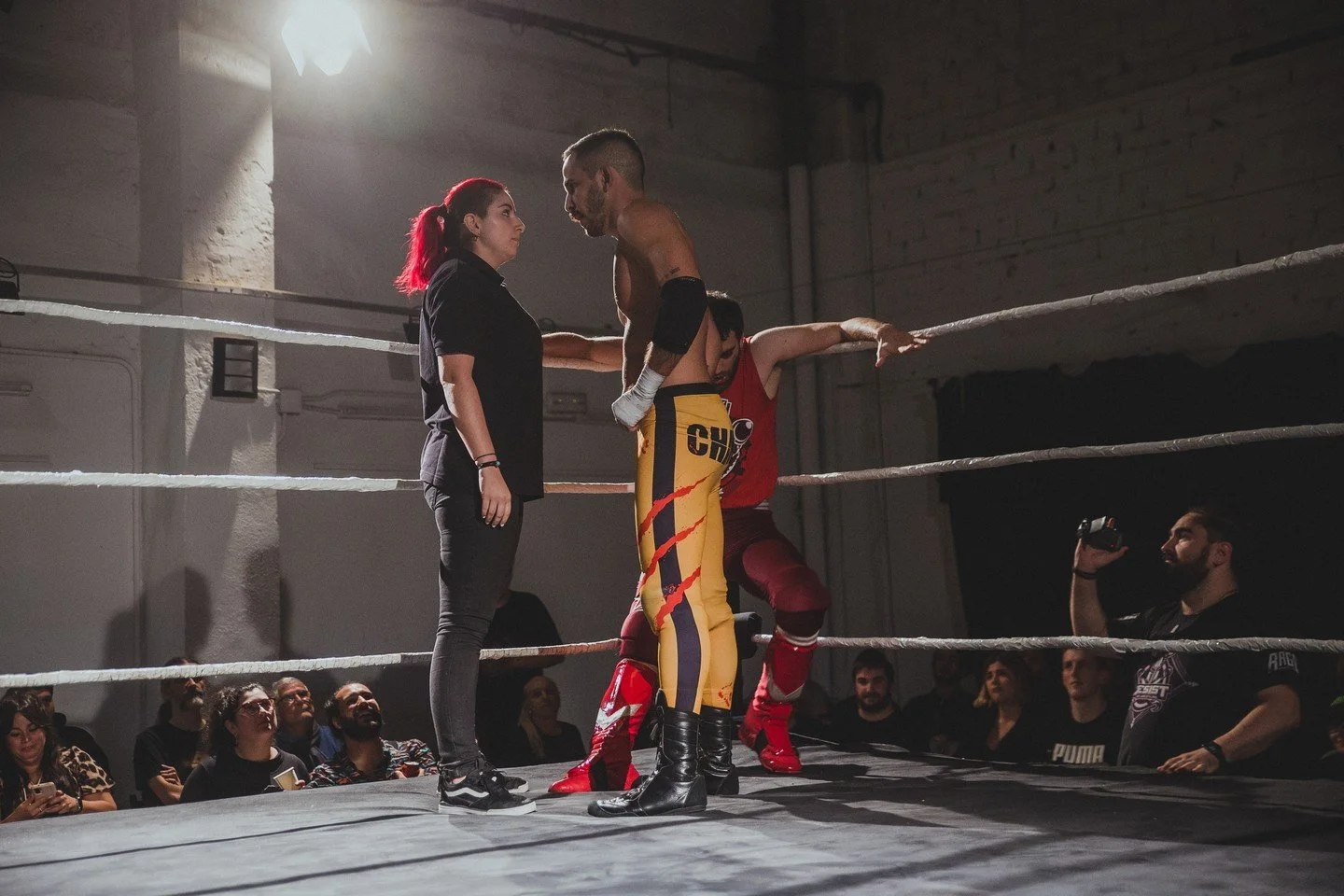
One concept tied the whole look together: Kill Bill. That gear has gone through two full iterations since, from the barebones version to a medium tier version, to the more expensive one I wear now. Same DNA, different budget.
What made me keep building on that concept wasn't the cost of the pieces. It was that the concept fit me, and it made me stand out.
Expensive gear isn't the enemy, designing without direction is
To be clear, none of this is an argument against spending more on gear once you can. Top-tier gear looks amazing and it will last you for a really long time if you take care of it properly.
But top-tier gear with no direction behind it is just an expensive mistake.
The bottom line
If you try to copy expensive gear on a low budget, it shows. If you work honestly with the tools and money you actually have, starting from a clear concept, the crowd feels it before you even move.
You don't need the budget. You need the why.
